


We can't find the internet
Attempting to reconnect
Something went wrong!
Hang in there while we get back on track
CABINET EXHIBITION
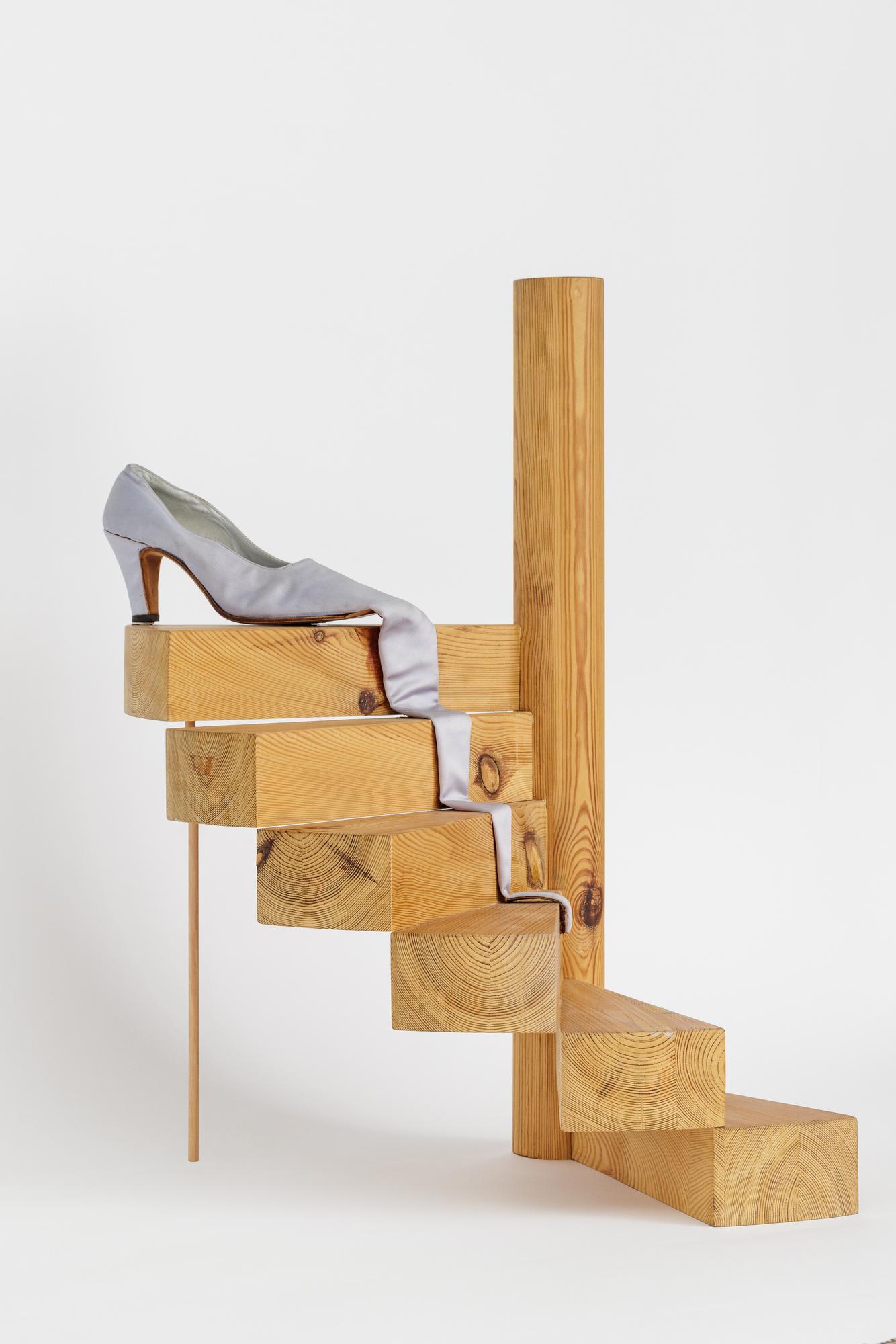
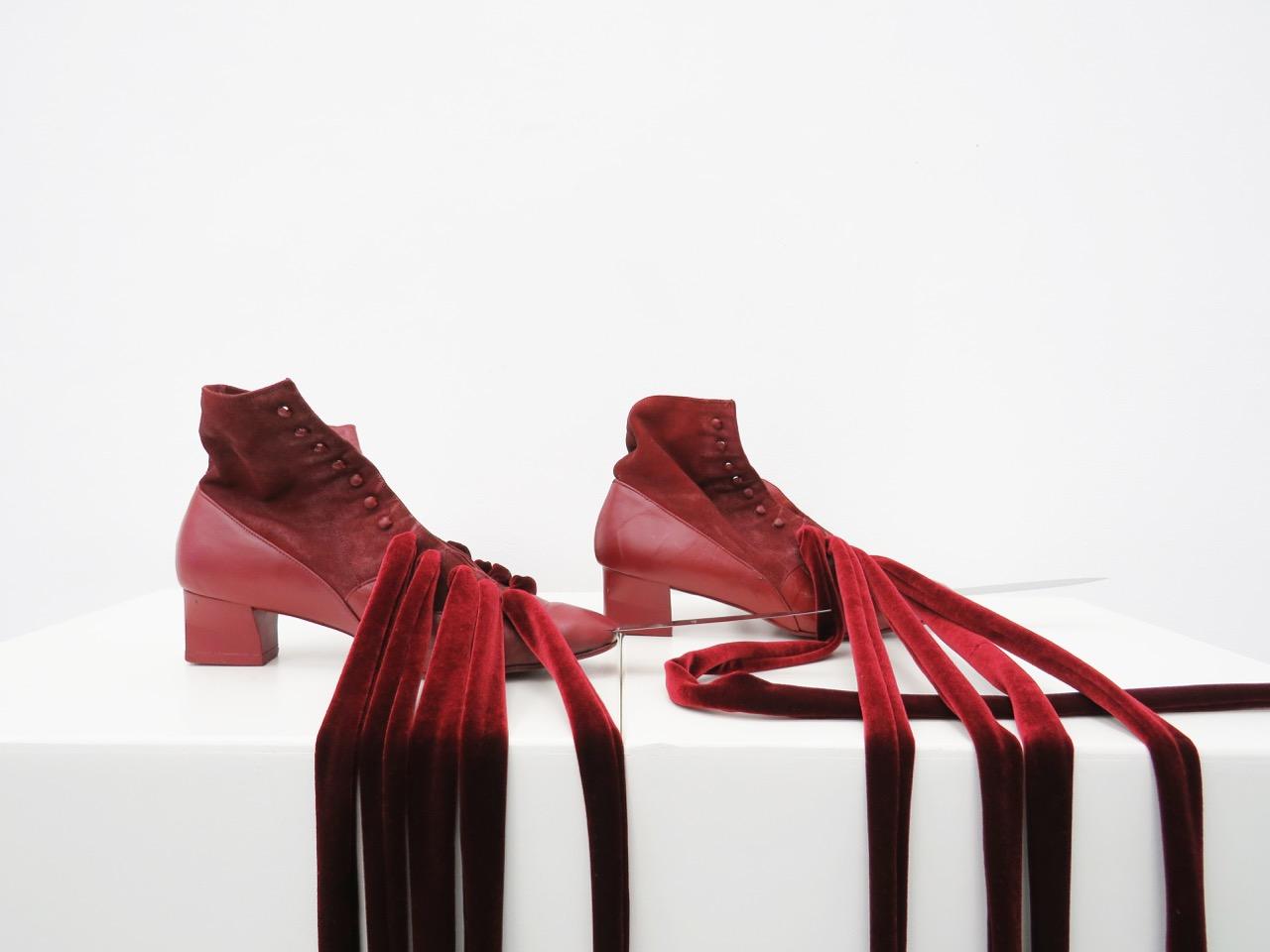
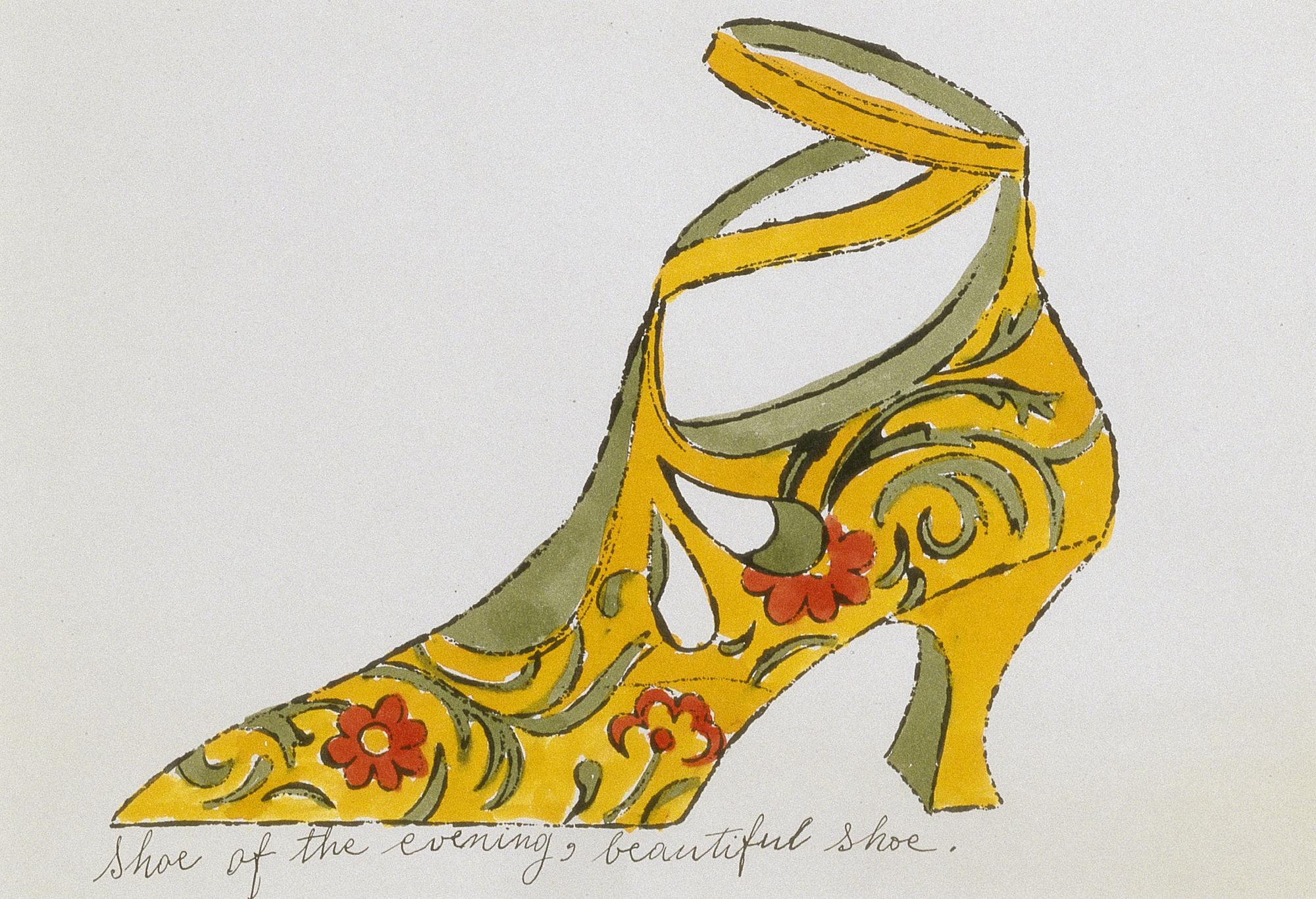
TO SHOE OR NOT TO SHOE – Warhol and Others

21 October, 2026 - 18 April, 2027
Andy Warhol’s graphic series Á La Recherche du Shoe Perdu was created in 1955 as part of his commission to design weekly shoe advertisements for the *New York Times*. More than a dozen drawings were produced, which the poet Ralph Pomeroy annotated with ironic literary allusions and which Warhol compiled into a portfolio. Building on this series, this cabinet exhibition explores the women’s shoe as a fetish object, a surface for projection, and a subject of feminist critique. In addition to Andy Warhol, other female artists such as Birgit Jürgenssen, Gudrun Kampl, and Silvie Fleury are represented with their interpretations of the shoe. They also examine the object as a symbol of desire, discipline, and gender roles.
Artists in the exhibition:
Sylvie Fleury, Flora N. Galowitz, Mona Hatoum, Birgit Jürgenssen, Gudrun Kampl, Allan Kaprow, Jakob Lena Knebl, Mimmo Rotella, Markus Schinwald, Curt Stenvert, Andy Warhol, Peter Weibel, Sue Williams, and Erwin Wurm.
Curated by Rolf H. Johannsen.
EXHIBITION
Play Date
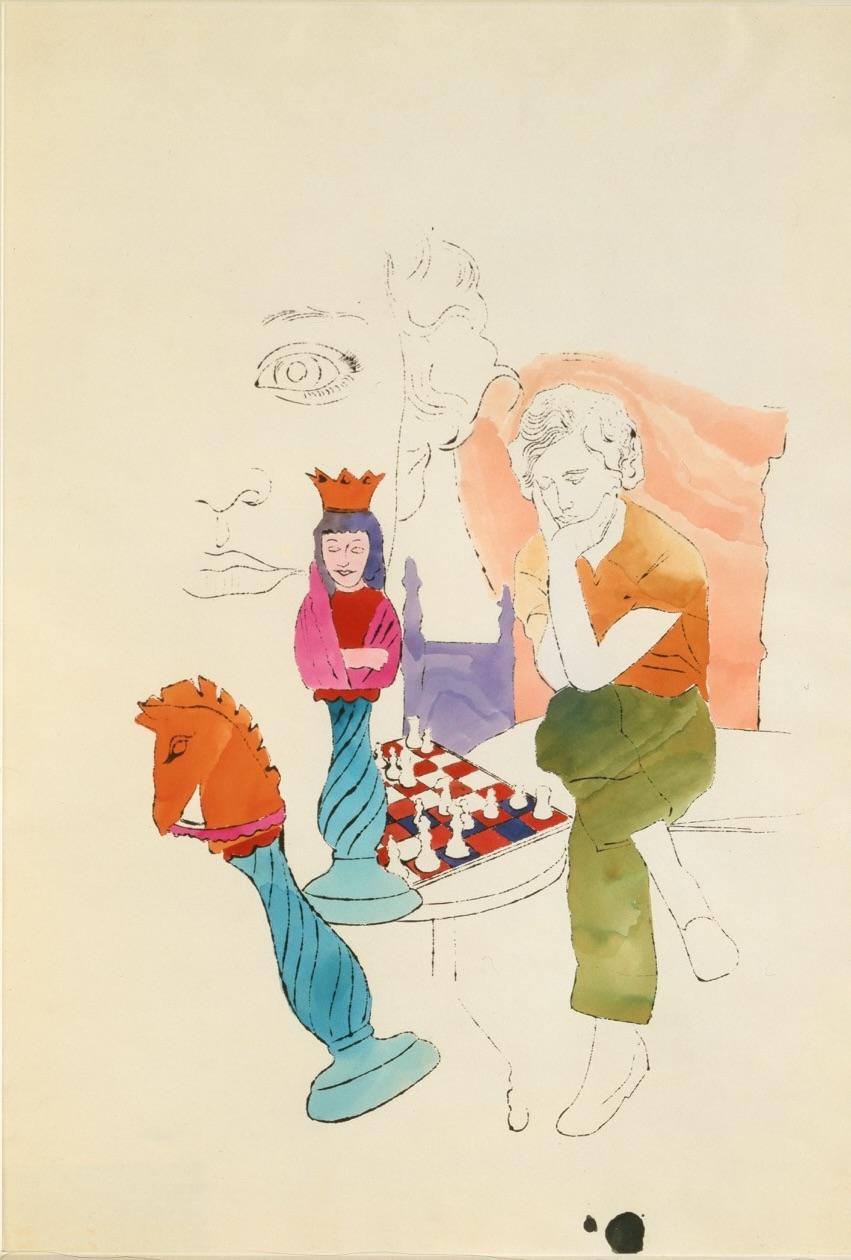
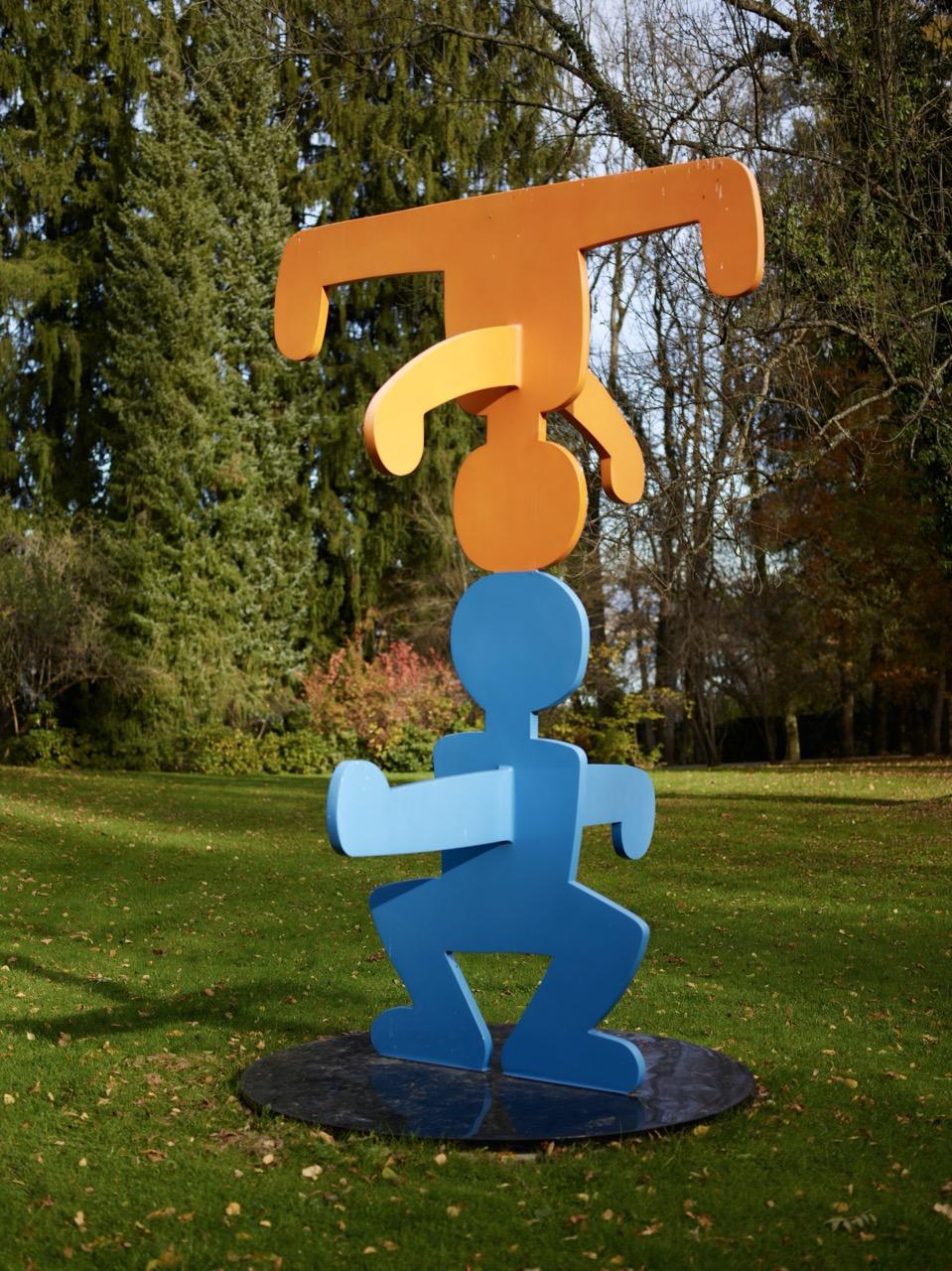
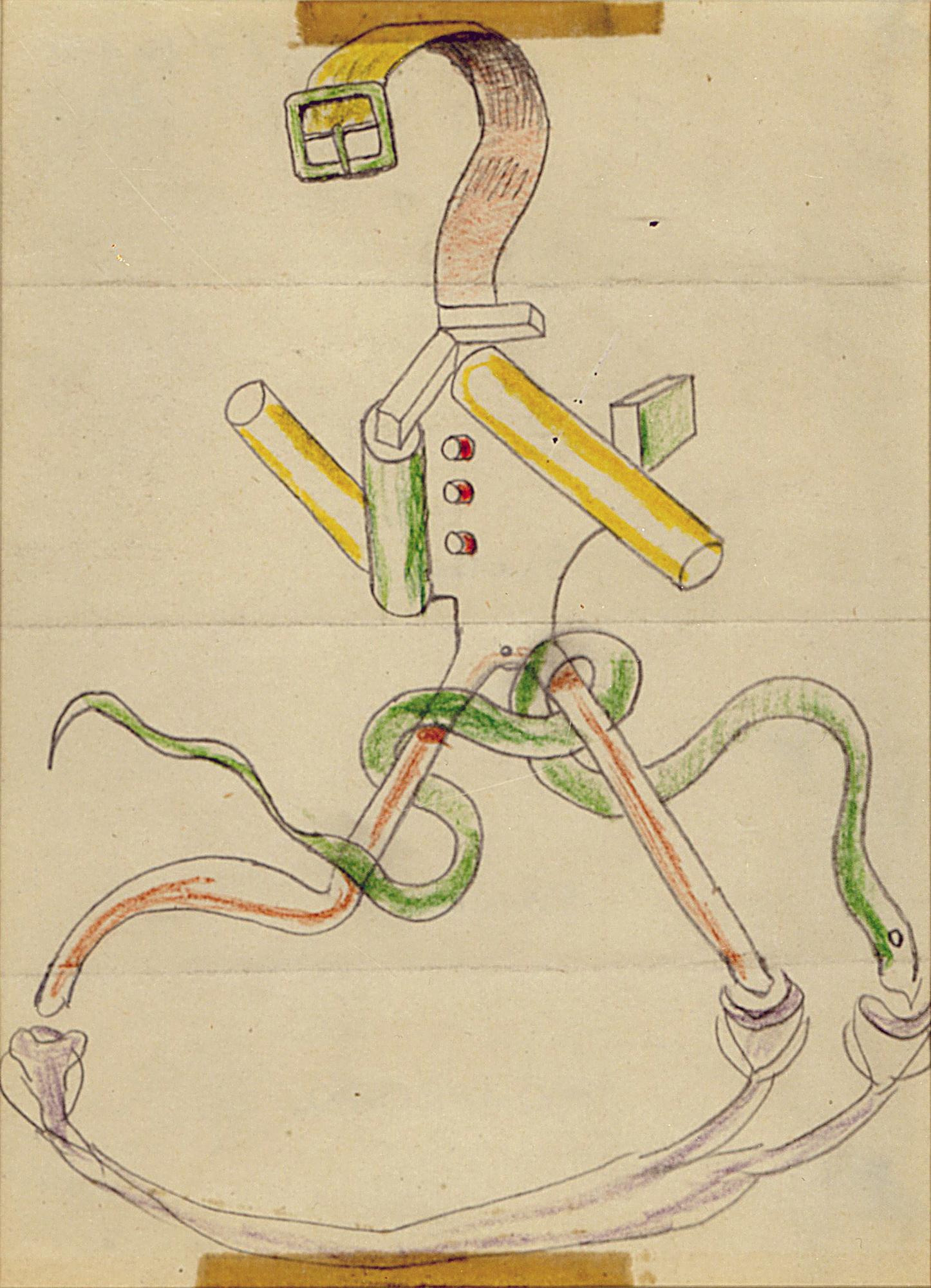
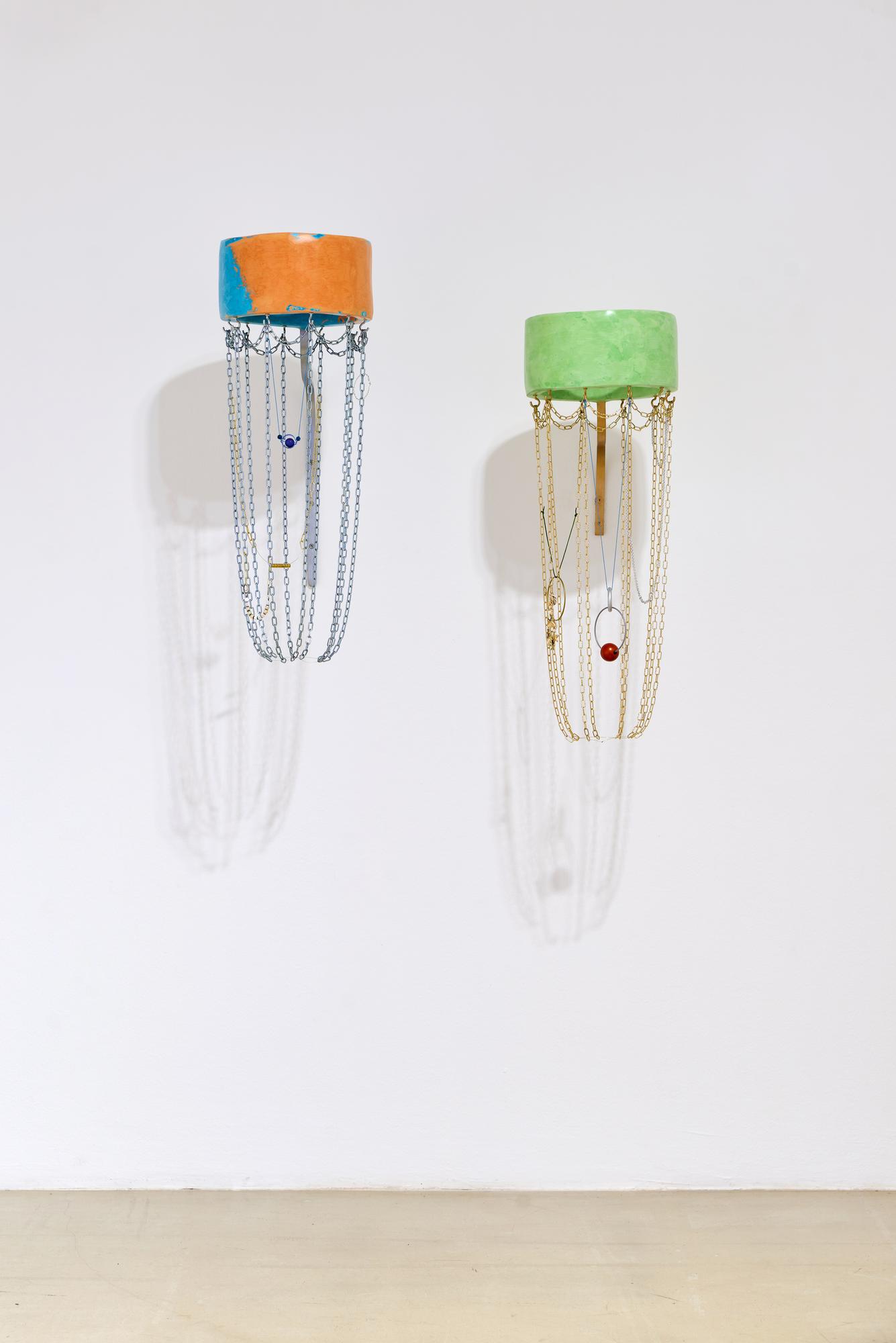
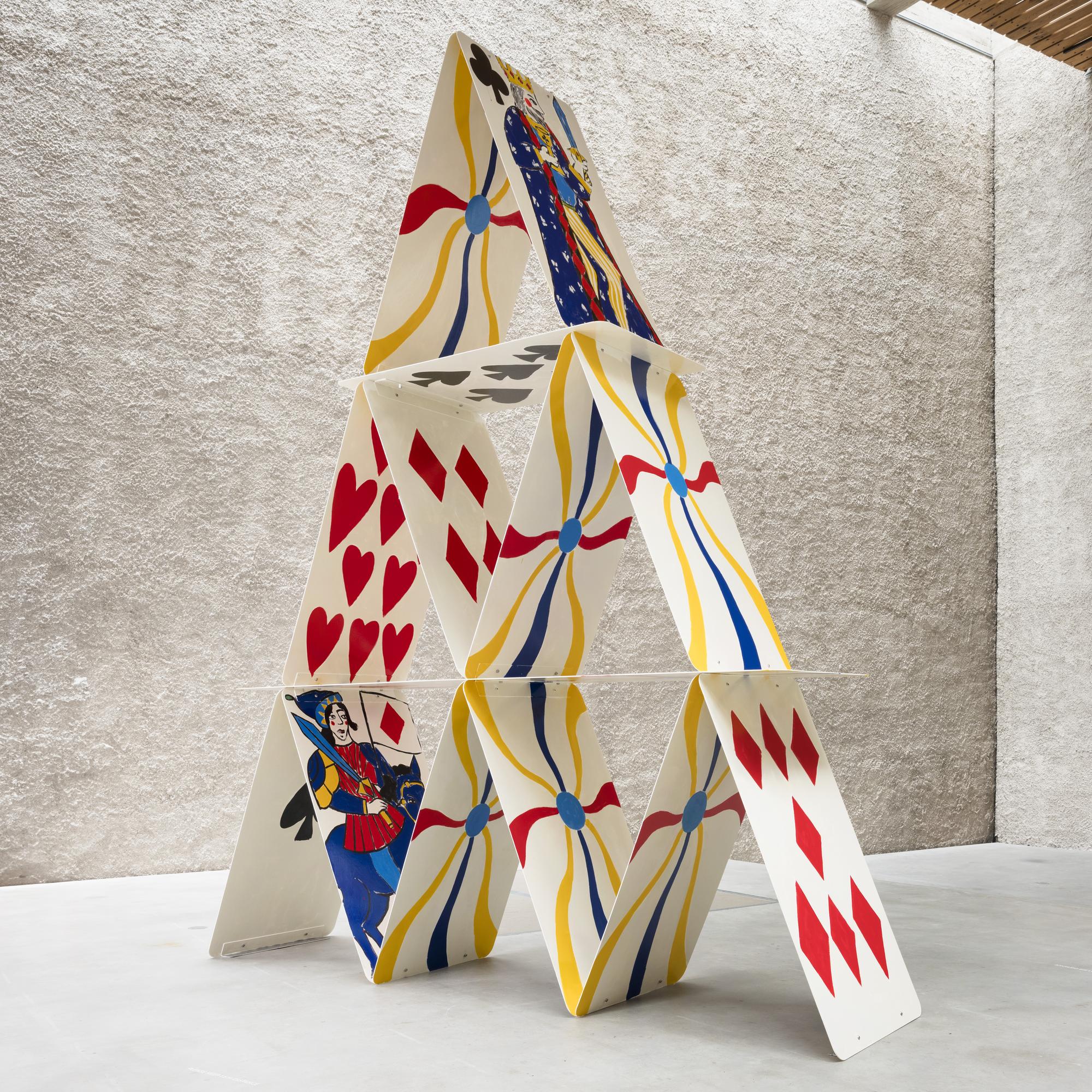
Playing—that's one of the best things there is.
Marcel Duchamp1
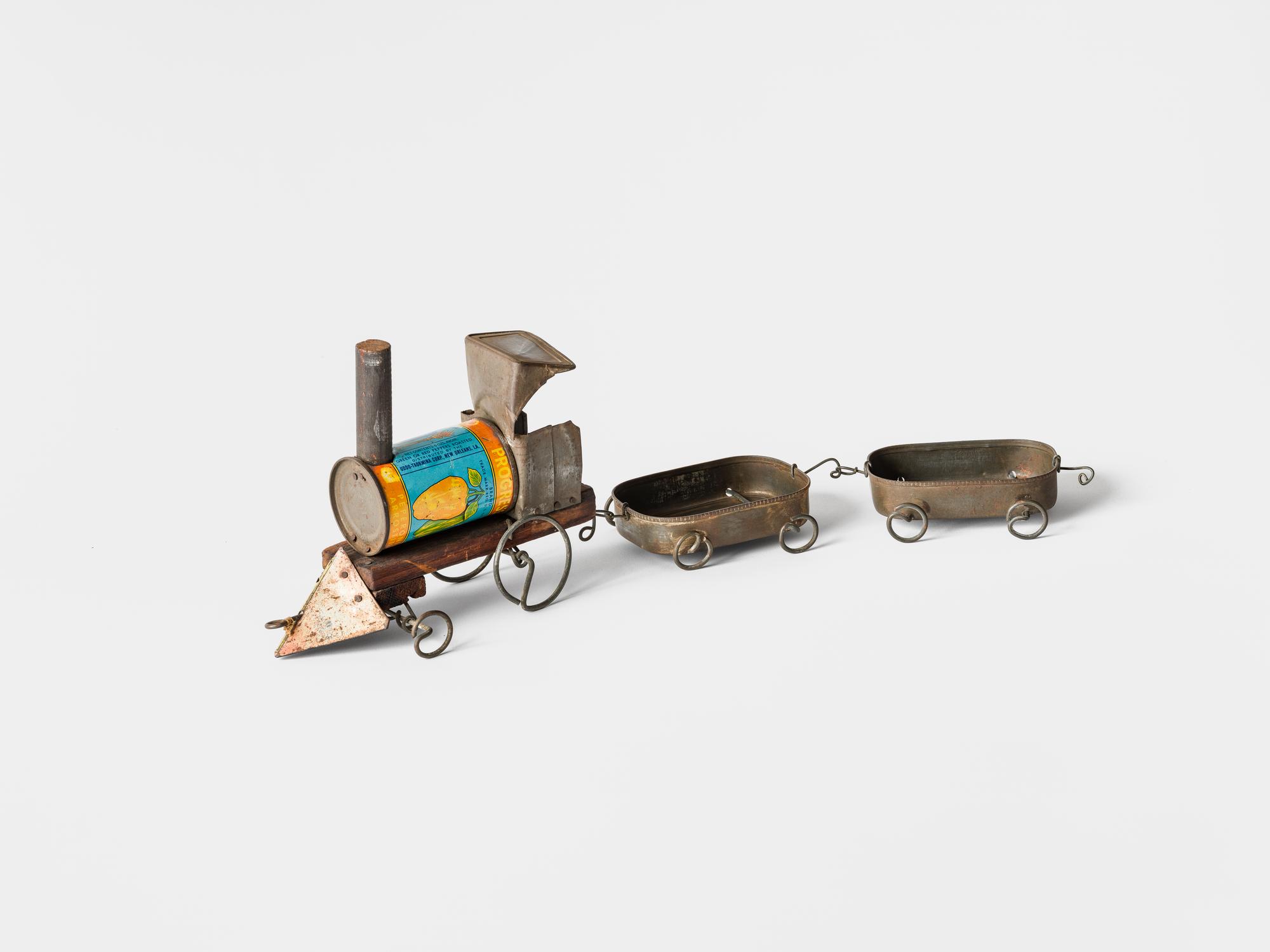
The exhibition Play Date explores the connections between art and play and examines the various forms that playfulness can take in artistic works. Playful strategies—such as working with rules and experimental setups, as well as experimentation, rule-breaking, and chance—emerge as essential aspects of 20th- and 21st-century art.
Play Date allows visitors to experience play within the interplay of idea and variation, action and interaction, as well as free and competitive play. While artistic explorations of chess, ball games, card games, and dice games engage with and subvert the mechanics and logic of these classic game forms, instructions for action and participatory installations invite visitors to become part of the art themselves. Another focal point of the exhibition is performative role-playing, in which artists explore alternative forms of the self.
1Alfred Kreymborg: „Why Marcel Duchamp Calls Hash a Picture“, in: Boston Evening Transcript, 19.9.1915, zit. n. Serge Stauffer: Marcel Duchamp. Interviews und Statements, Ostfildern-Ruit, 1992, S. 13.
19 March - 5 September, 2027
As a shared activity and experience, play—far beyond childhood—is a central social practice. In addition to its potential for shared enjoyment, the exhibition also highlights the conditions of participation and exclusion. It does not ask about winners and losers, but rather about the prerequisites of play: Who is allowed to play, and by whose rules is the game played? The exhibition views play as a communal process in which new forms of interaction and participation can be explored. Play Date opens up spaces for play in two senses—as an artistic practice as well as a field of social possibilities.
Featuring works from the Heidi Horten Collection as well as international loans by Eleanor Antin, Rasheed Araeen, John M. Armleder, John Baldessari, André Breton, Alexander Calder, Lygia Clark, Céline Condorelli, Marcel Duchamp, Fischli/Weiss, Eva Grubinger, Keith Haring, Benjamin Hirte, Carsten Höller, Anna Jermolaewa, Matthias Krinzinger, Palle Nielsen, Yoko Ono, Maruša Sagadin, Takako Saito, Cindy Sherman, Philipp Timischl, Sofie Thorsen, Kay Walkowiak, Andy Warhol, Erwin Wurm, and others.
A catalog will be published to accompany the exhibition.
Curated by Véronique Abpurg.