


We can't find the internet
Attempting to reconnect
Something went wrong!
Hang in there while we get back on track
EXHIBITION
ELISABETH VON SAMSONOW

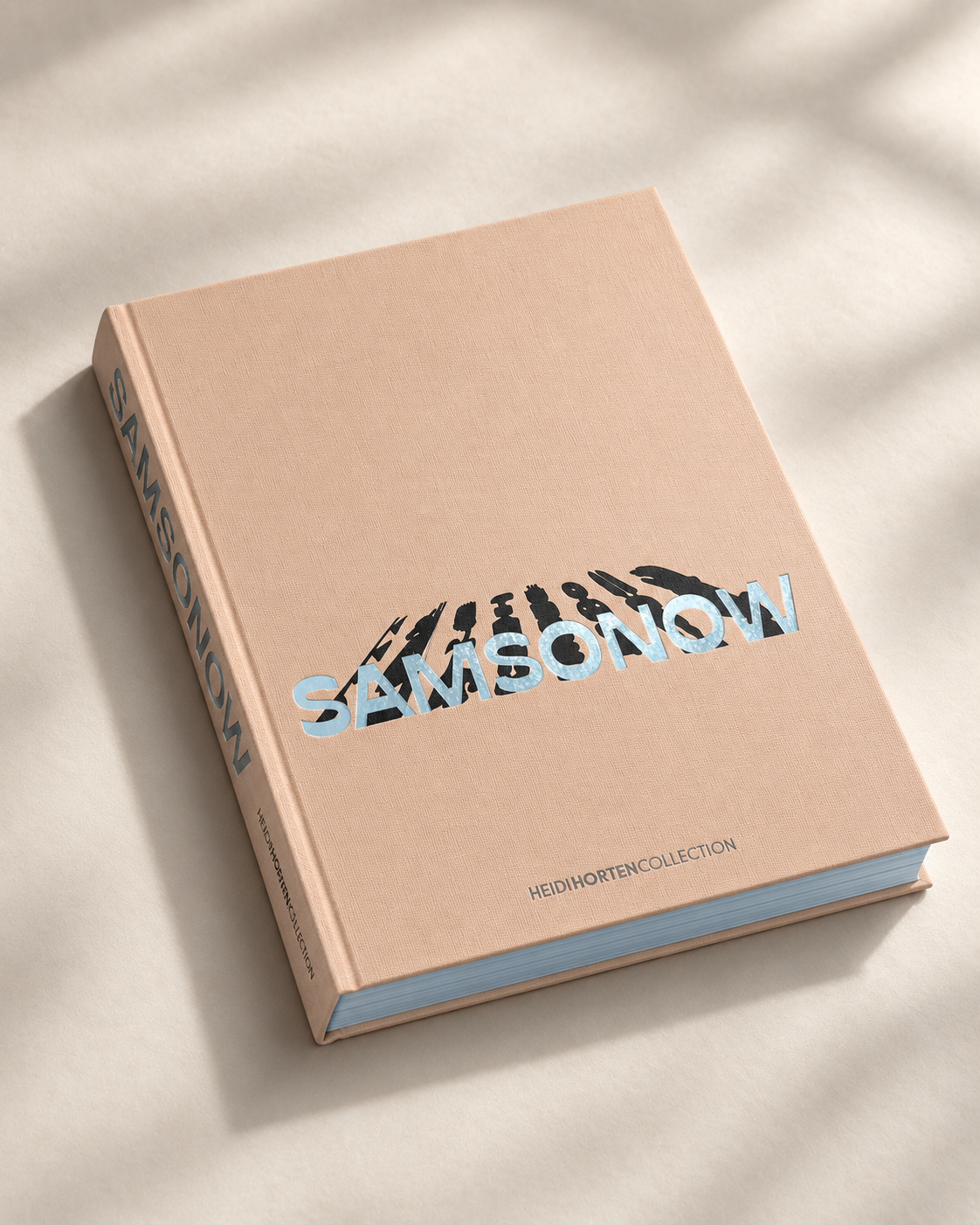
The exhibition catalogue is published by Verlag für moderne Kunst and is available at the museum shop for EUR 35.
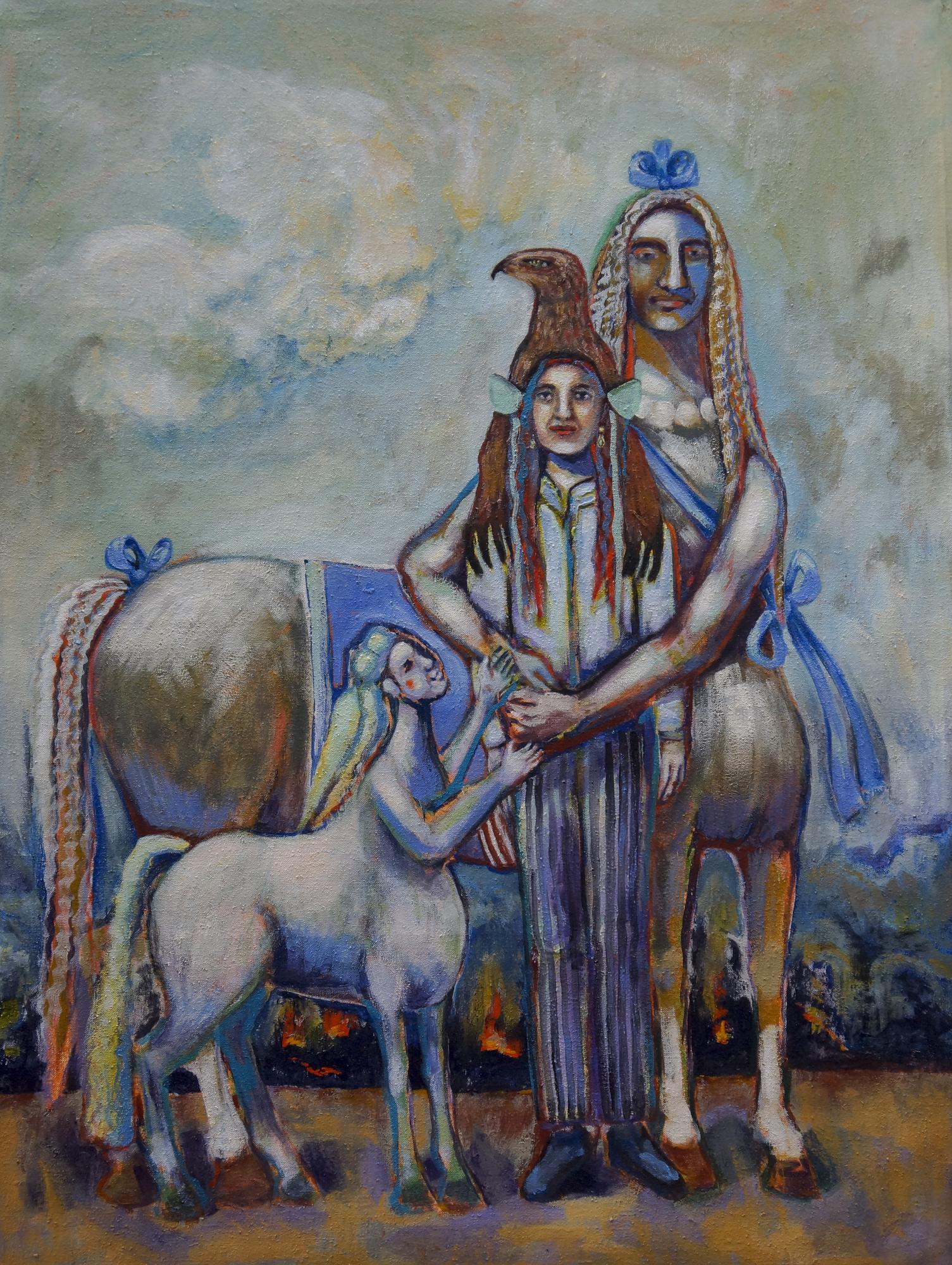
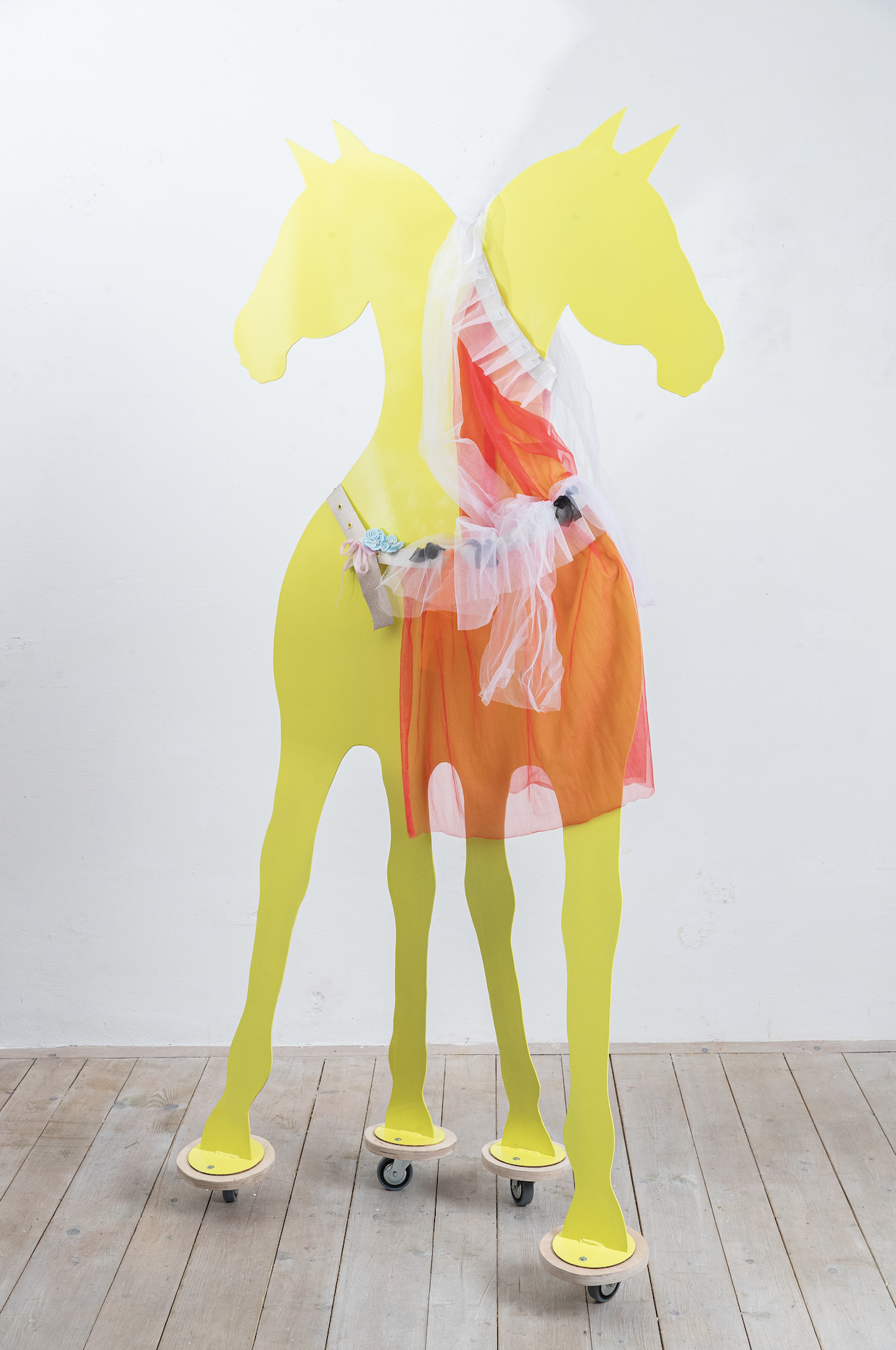
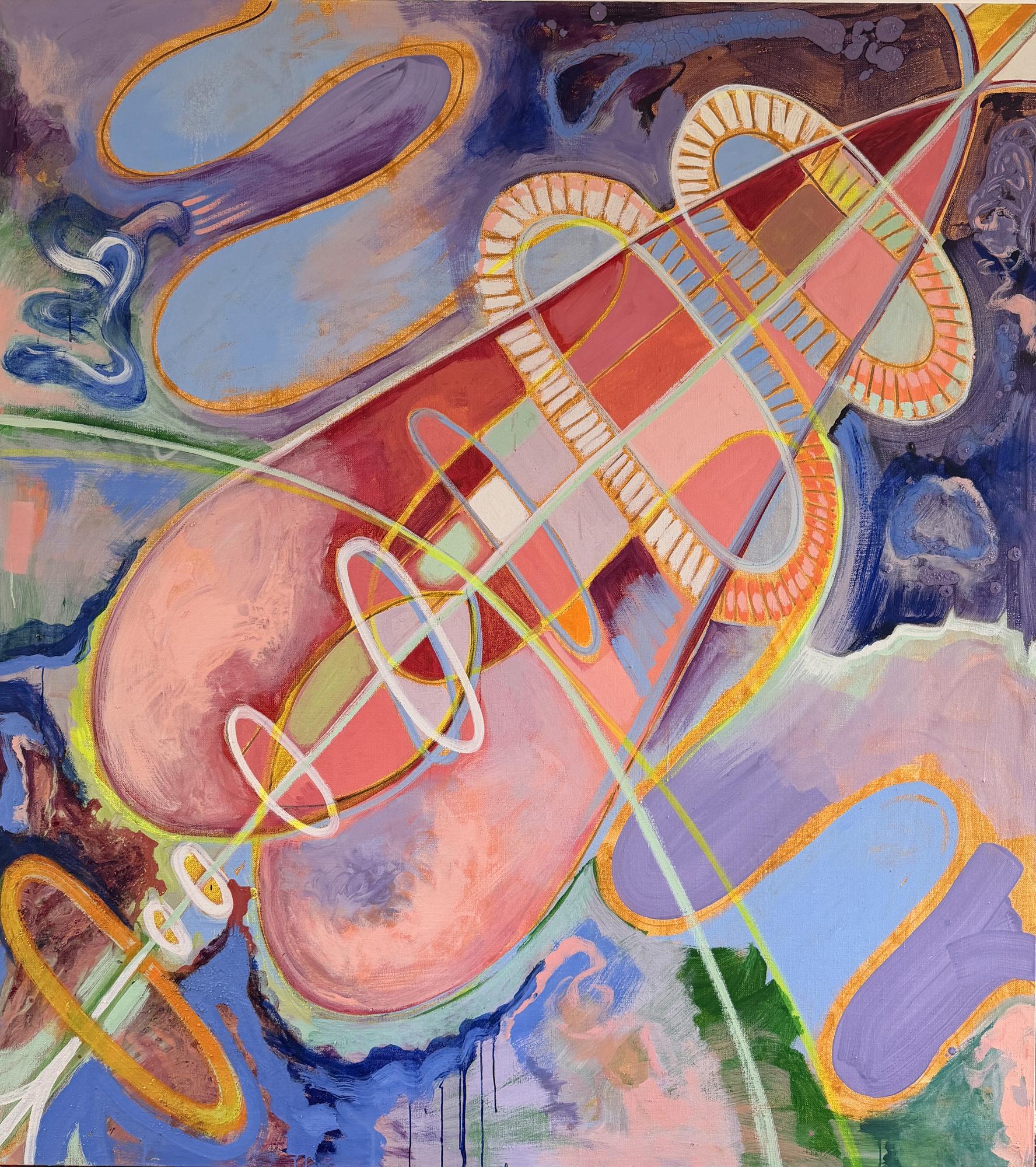
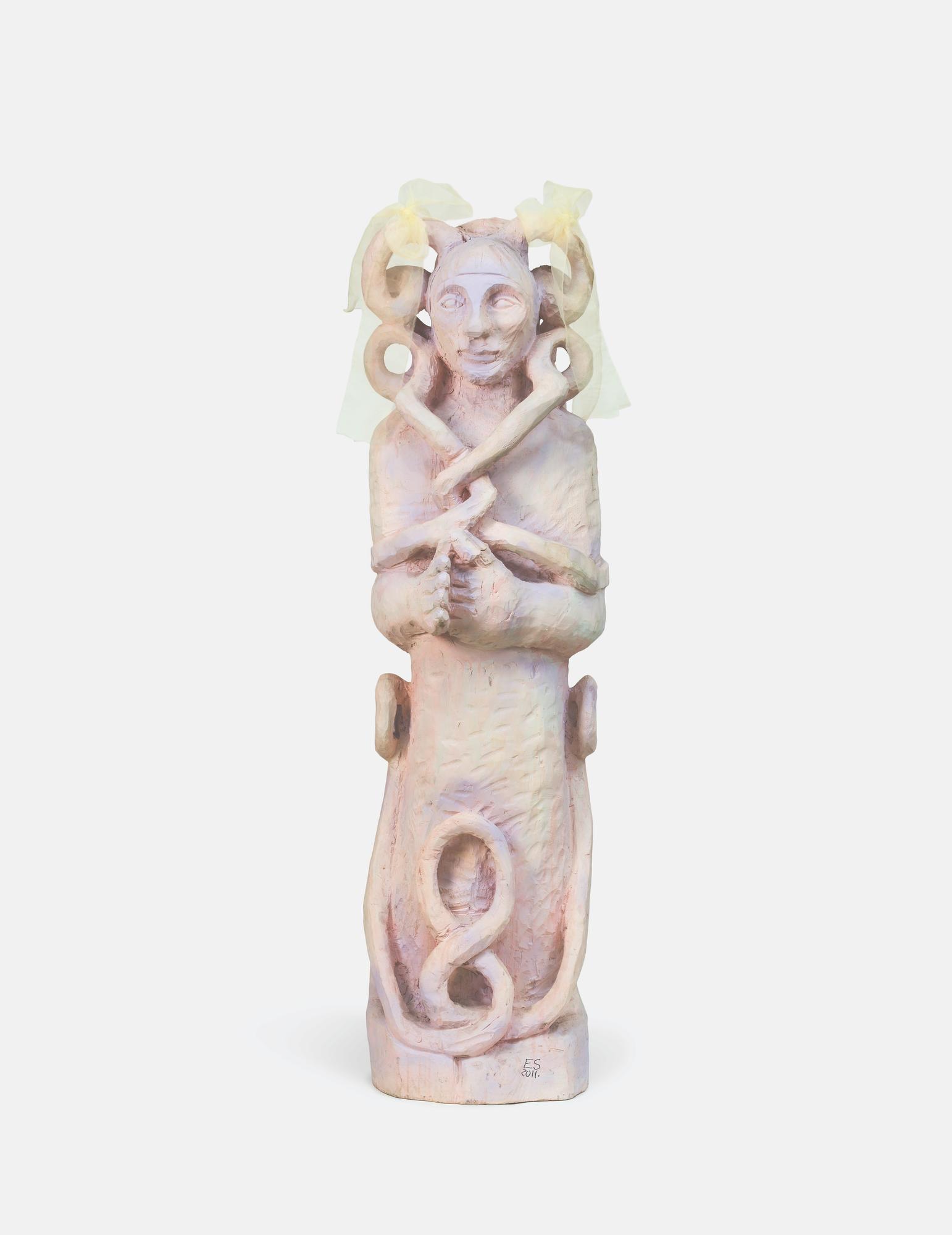
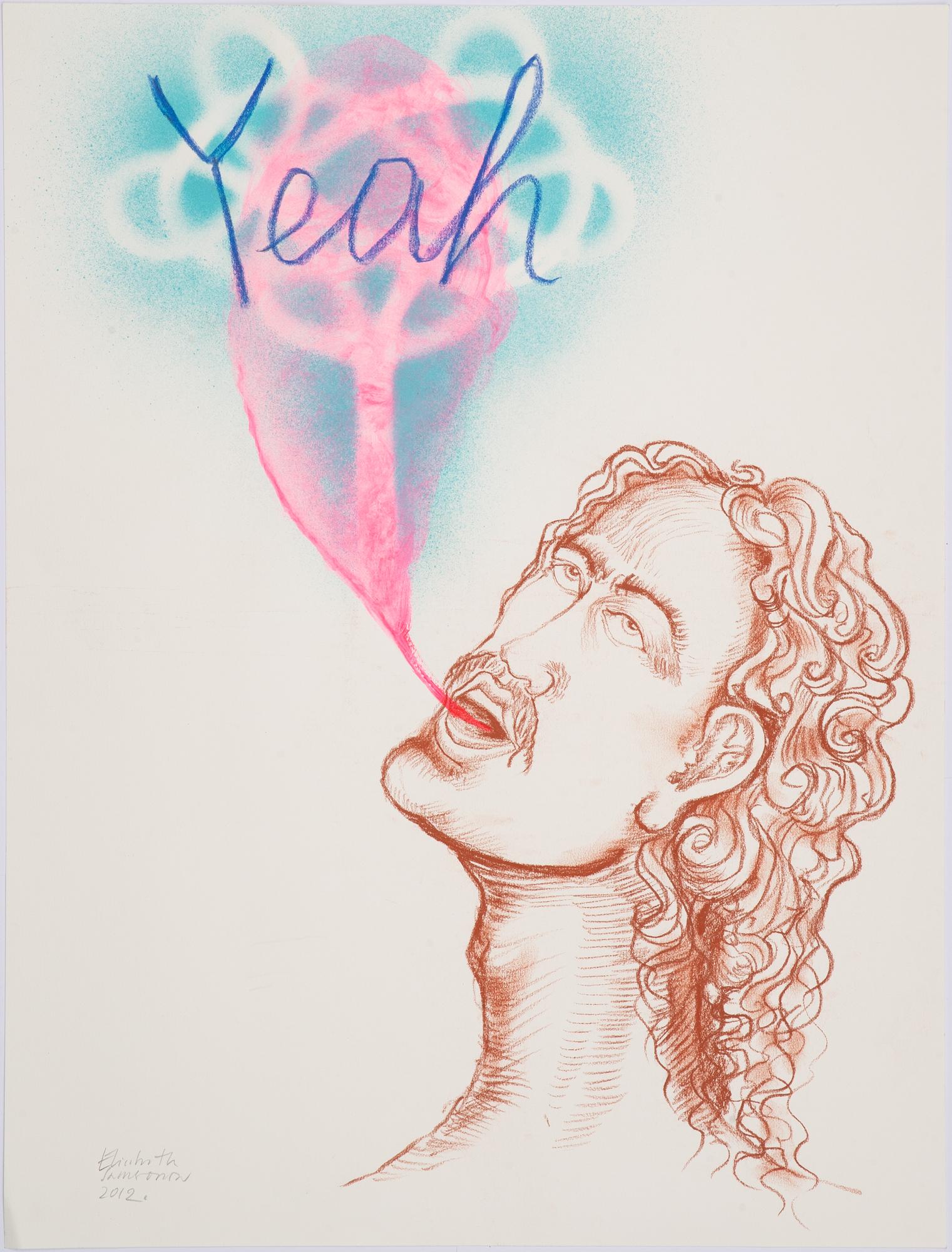
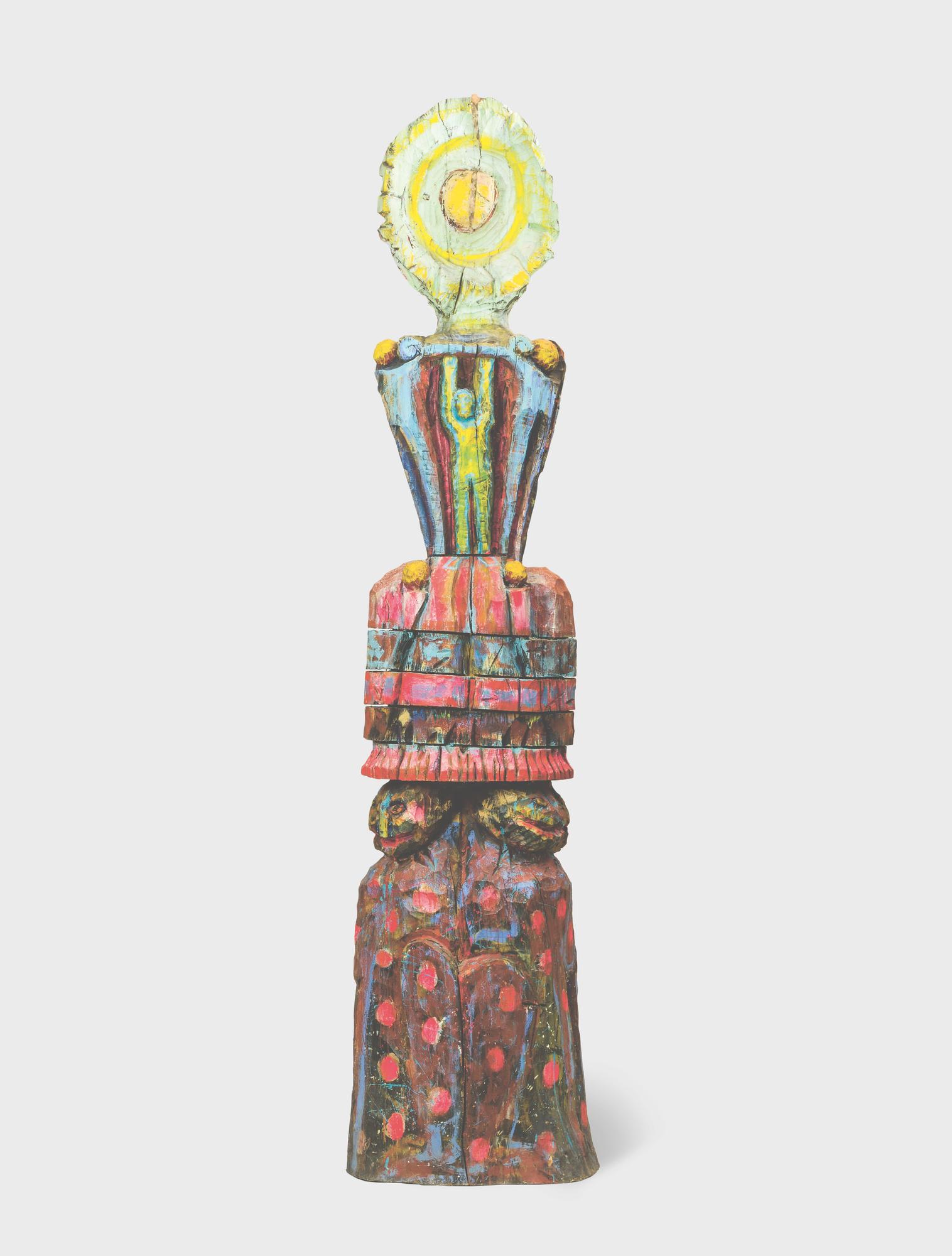
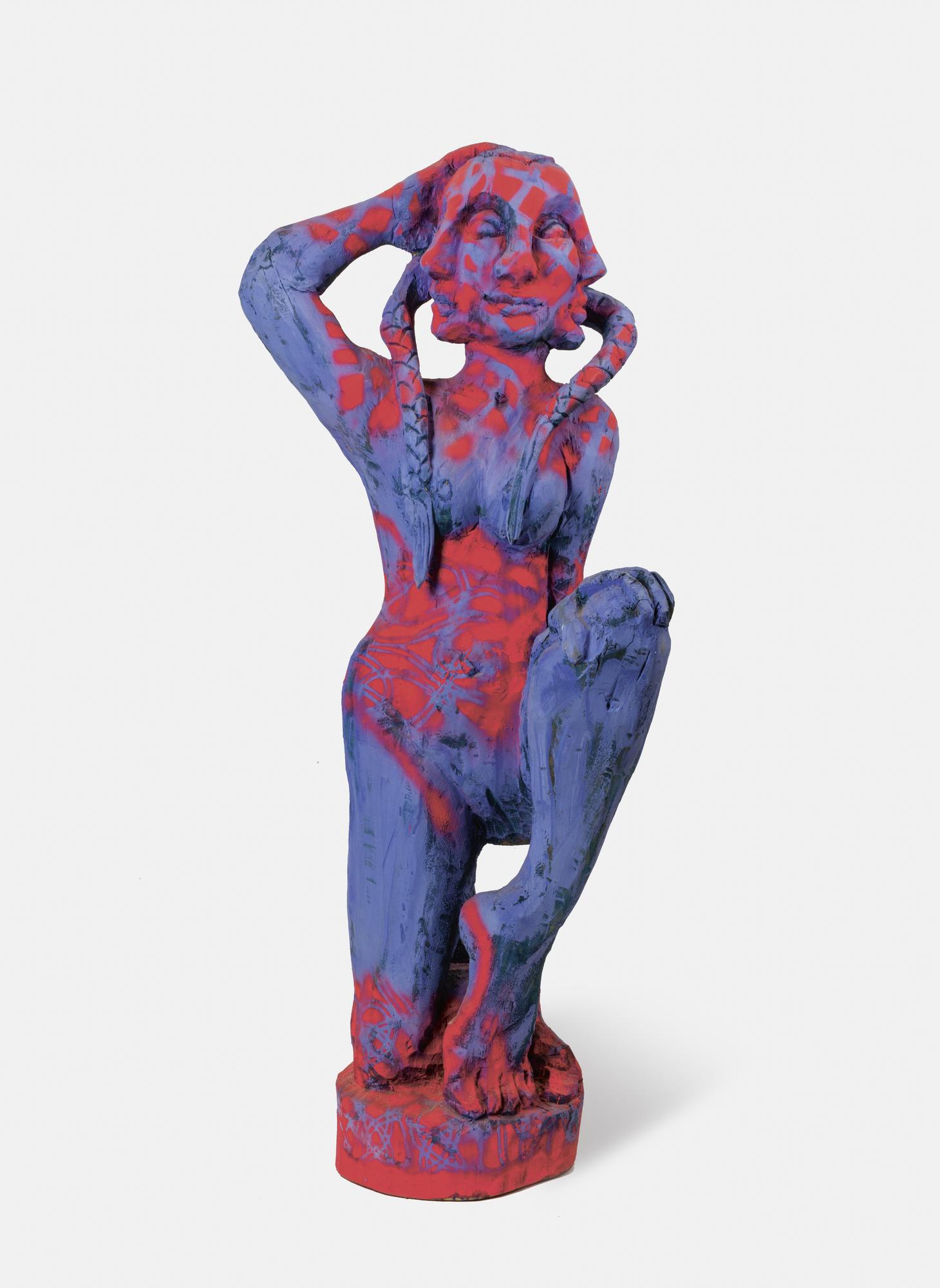
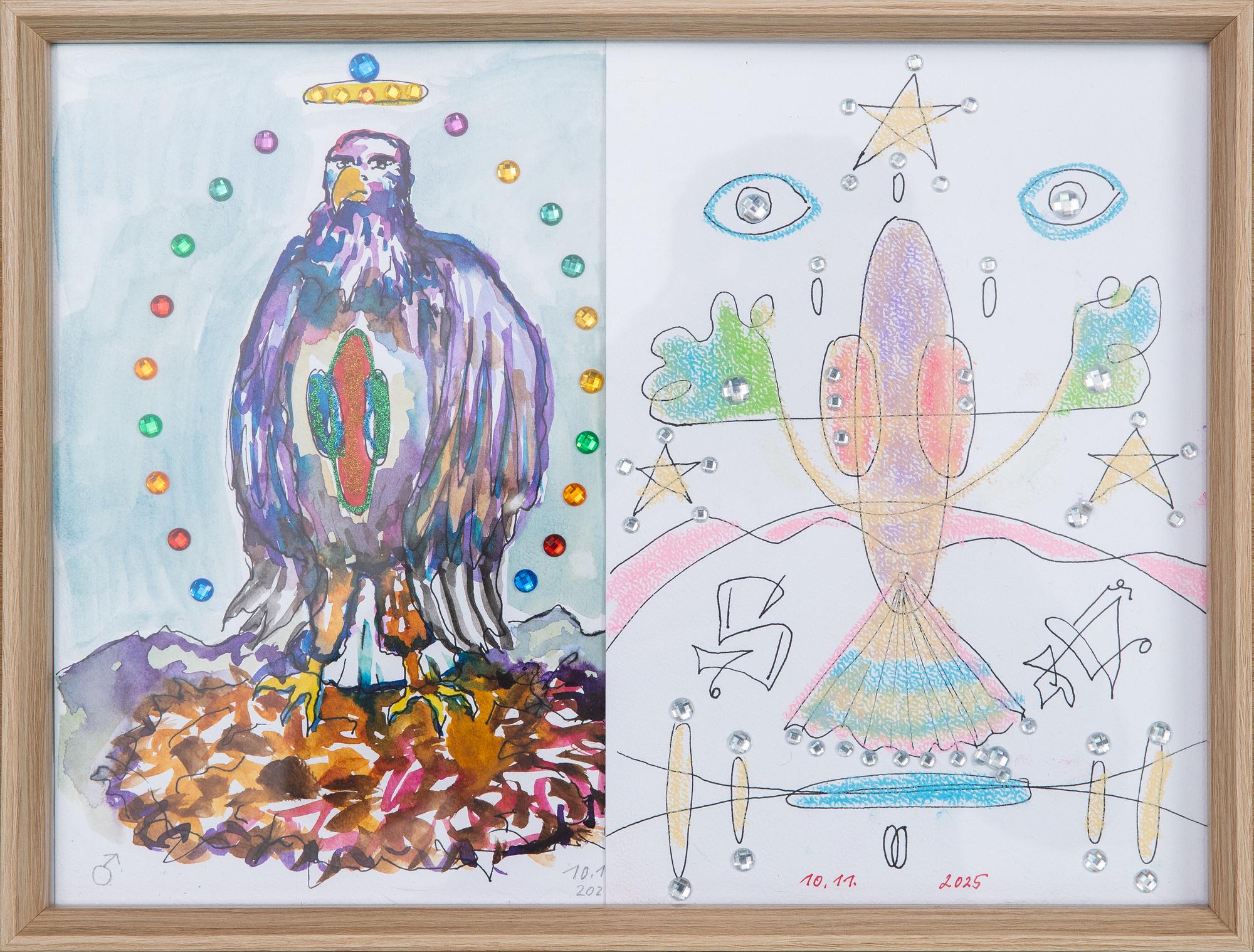
What does it mean to enter into a relationship with the world—with its landscapes, living beings, and histories? What happens when human beings and nature, body and environment, reality and imagination form unconventional connections? For nearly five decades, the multifaceted work of German-Austrian artist and philosopher Elisabeth von Samsonow has revolved around these questions. In a vivid visual language, she creates fantastical worlds, at times infused with subtle wit, in which bodies transform and human, animal, and plant forms merge into one another. At the same time, Samsonow develops performative and collective actions that conceive of art as a shared practice. Bringing together numerous works, including many being shown for the first time, this eponymous retrospective presents an oeuvre in which art, philosophy, feminist thought, and ecological engagement are intimately intertwined.
Bodies in Transformation
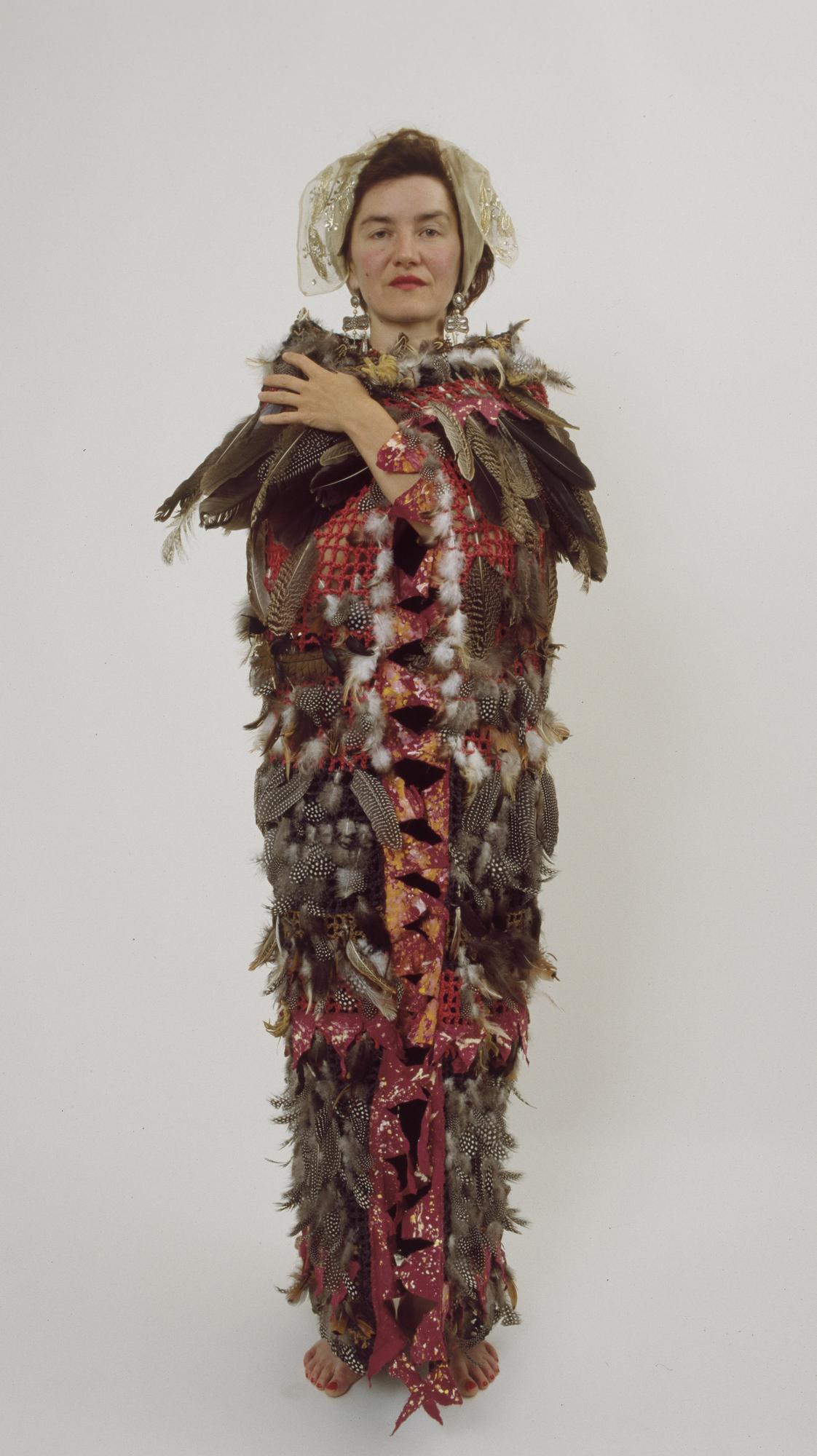
In 1990, Samsonow began working in wood; since then, sculpture has occupied a central place in her practice. Life-size painted sculptures emerge from whole tree trunks. Samsonow’s sculptural and painterly universe is shaped by whimsical metamorphoses: Human, animal, and plant bodies morph into one another, while figures from mythology encounter recurring motifs from Samsonow’s oeuvre, such as the Girl, the Horse, the Ponygirl, and the Pretzel. In Samsonow’s more recent work, the She-Eagle plays a prominent role, appearing both as a symbolic figure and as a real animal.
The sculptures suggest the possibility of emancipating themselves from their static form: they can roll, produce sounds, or emit light. In her performative works, Samsonow activates the sculptures through movement or by playing their strings, bringing her own body into direct relation with them.

19 September, 2026 to 28 February, 2027
A Conversation with the Earth
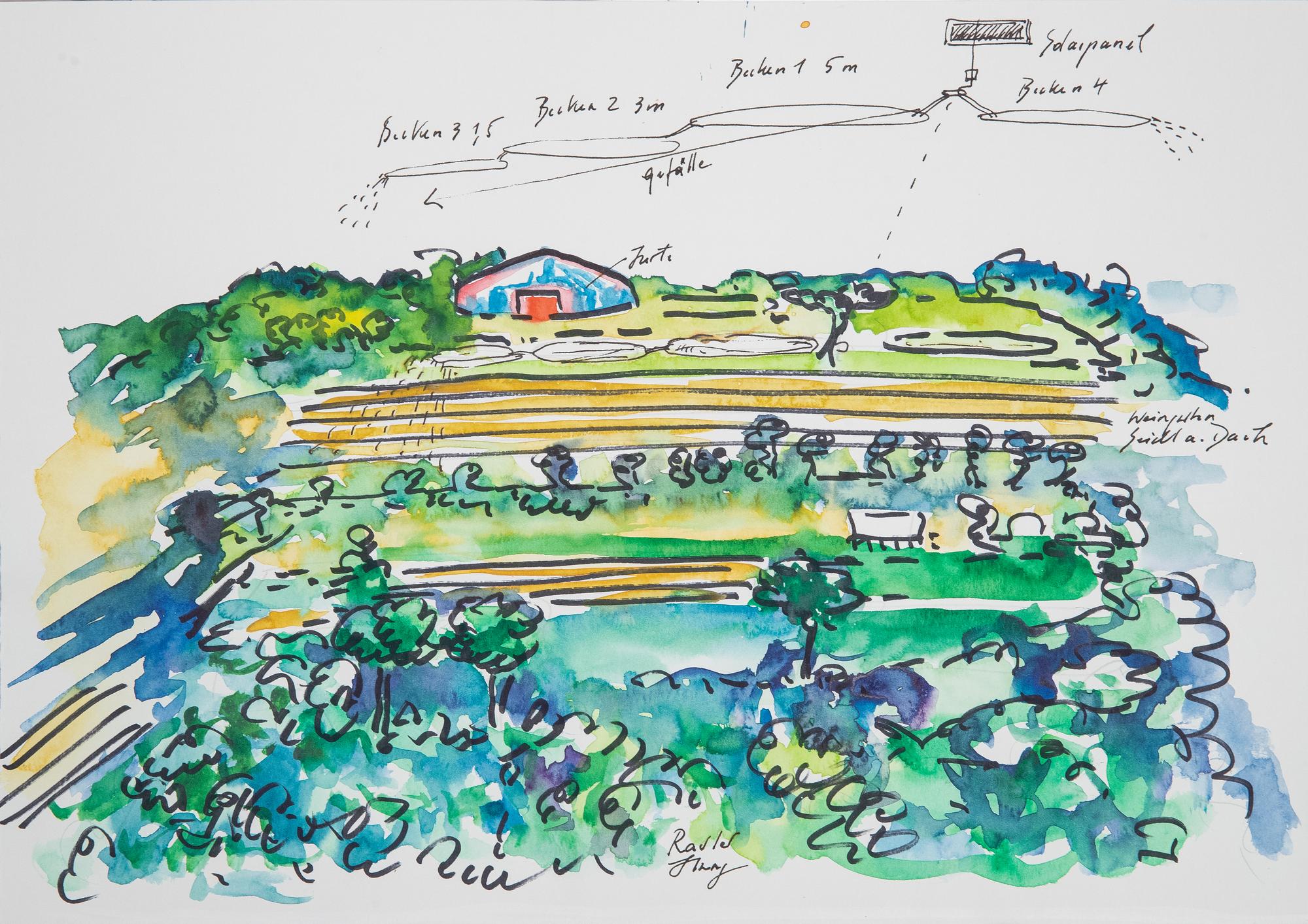
Elisabeth von Samsonow approaches the earth as a living, interconnected system and as a carrier of history and collective memory. Her practice increasingly extends beyond the studio into rural territories. With the project Goddesses’ Land, initiated in 2020, she responds to a landscape shaped by intensive agriculture and increasingly depleted soil. Through her painting, drawing, performative photography, and writing, this landscape becomes Samsonow’s partner in dialogue: What does this land mean? What does it say? And what relationships connect us to it?
Art, as proposed by Samsonow, becomes a way of inhabiting the world, creatively shaping it, and engaging with it through care. Reflecting these ideas, an open atelier developed specially for the retrospective invites visitors to respond creatively to the exhibition.
In Dialogue
A defining element of the retrospective is ten dialogues between works by Samsonow and masterpieces from the Heidi Horten Collection—including those by Francis Bacon, Georg Baselitz, Alexander Calder, Egon Schiele, and Ferdinand Georg Waldmüller—as well as the prehistoric Idol of Immendorf. The formal and thematic resonances that emerge among these artworks open new perspectives on Samsonow’s work and on the collection.
Published to coincide with the retrospective, this is the first comprehensive monograph on Elisabeth von Samsonow’s artistic oeuvre.
Curated by: Hana O. O. Haas and Rolf H. Johannsen
Exhibition design: tne next ENTERprise Architects Harnoncourt, Fuchs & Partner
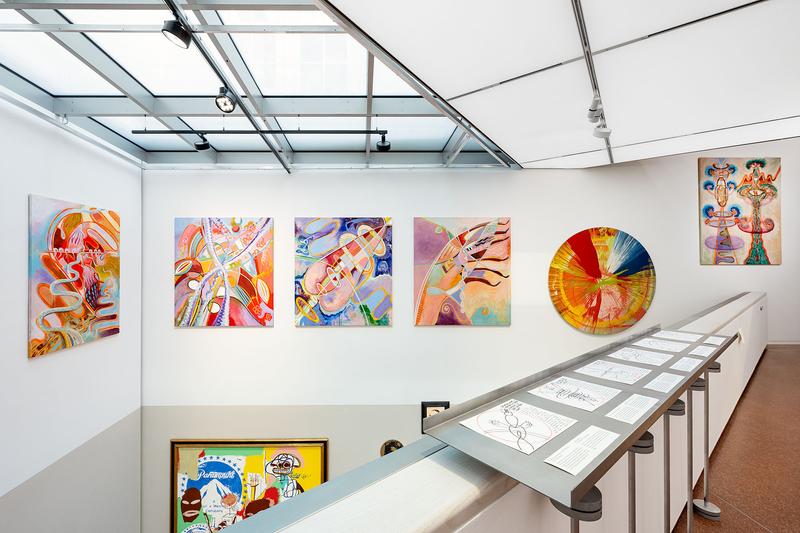
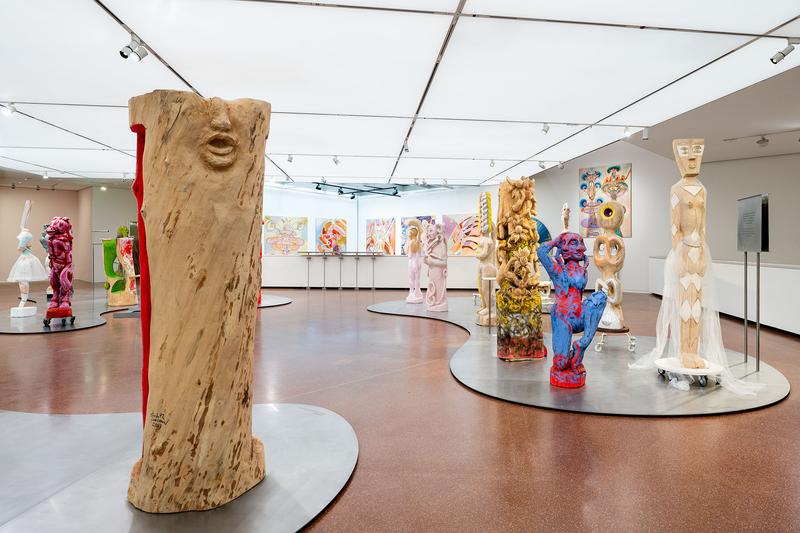
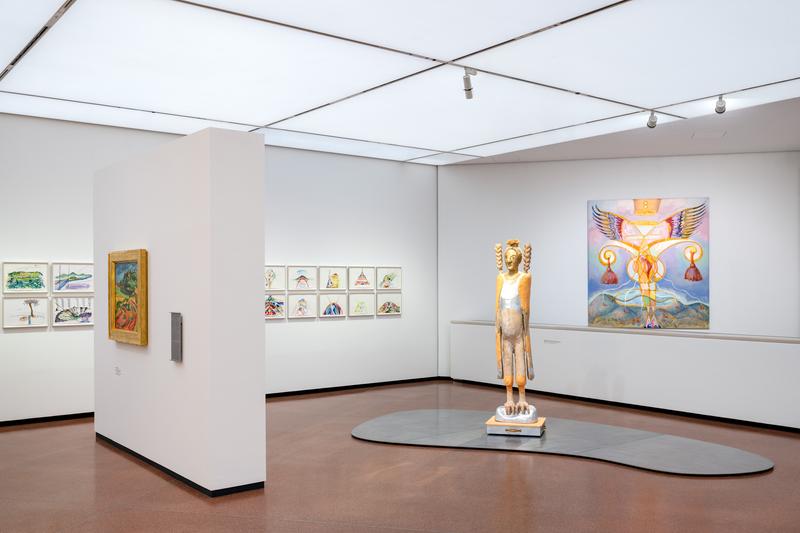
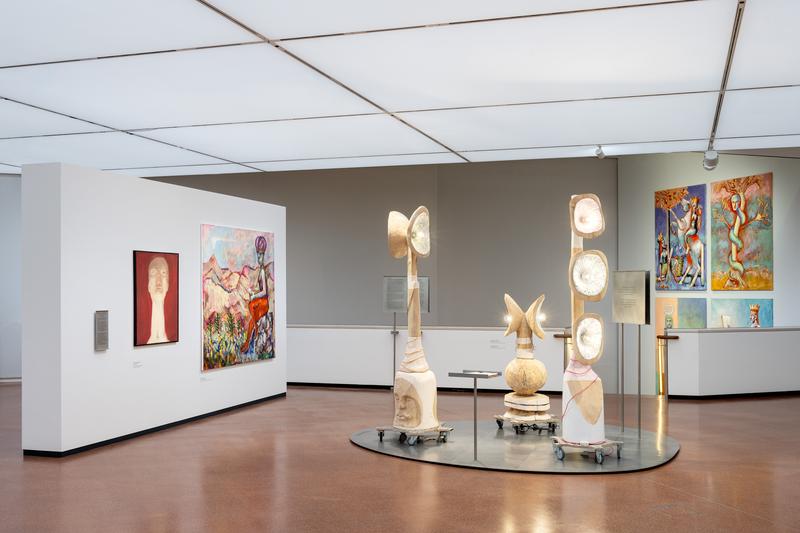
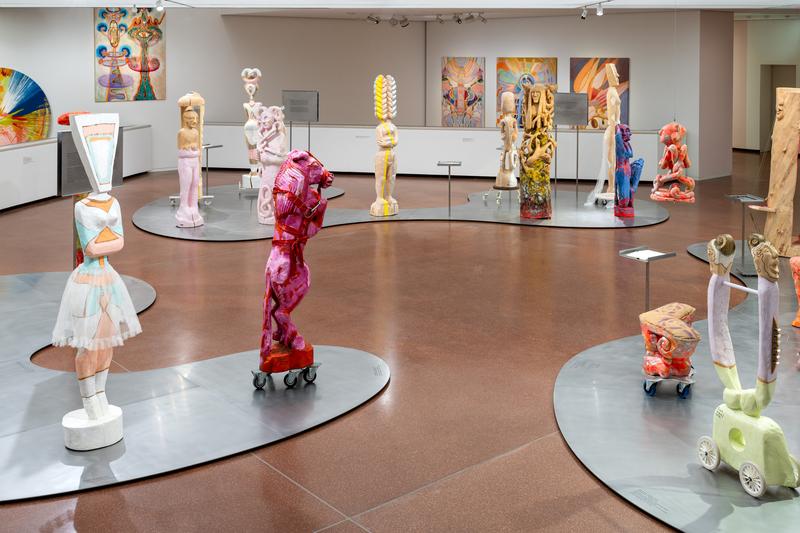
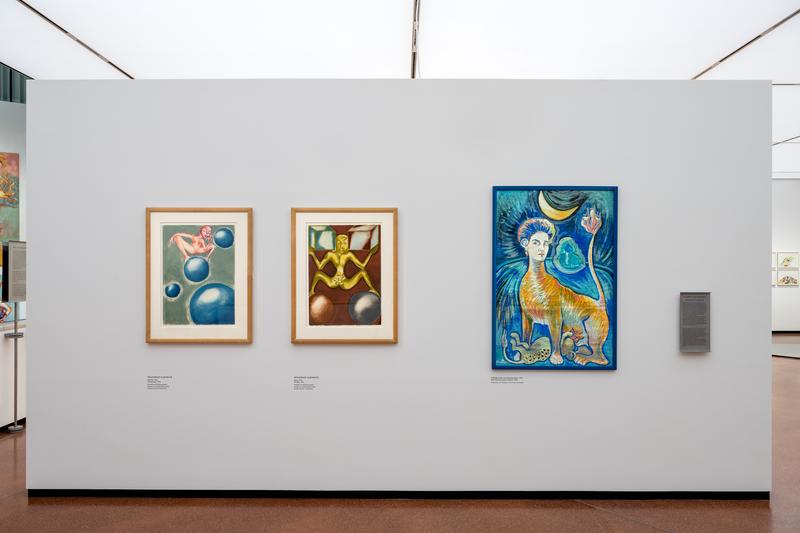
Exhibition Views Elisabeth von Samsonow, Photo: Simon Veres
CABINET EXHIBITION
GOTTFRIED BECHTOLD. Concrete Porsche
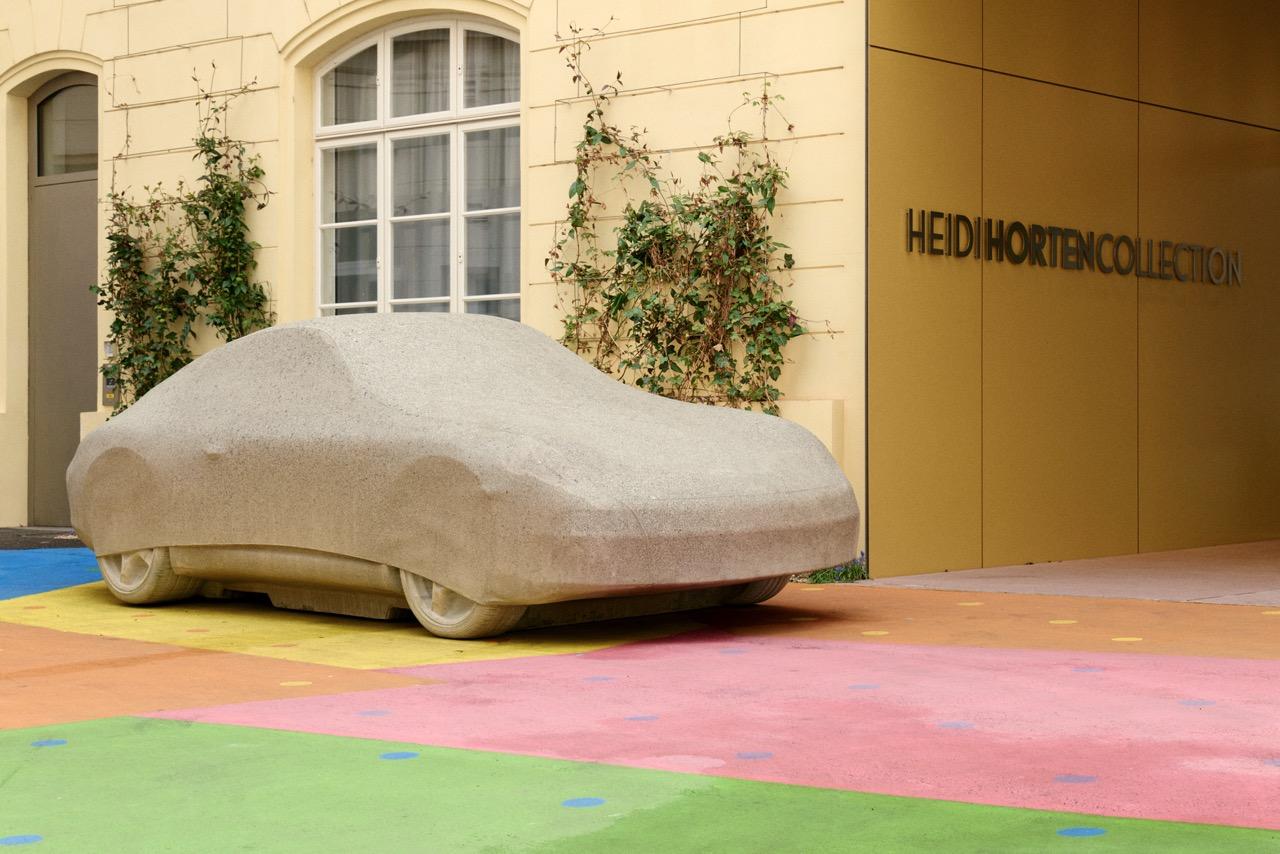
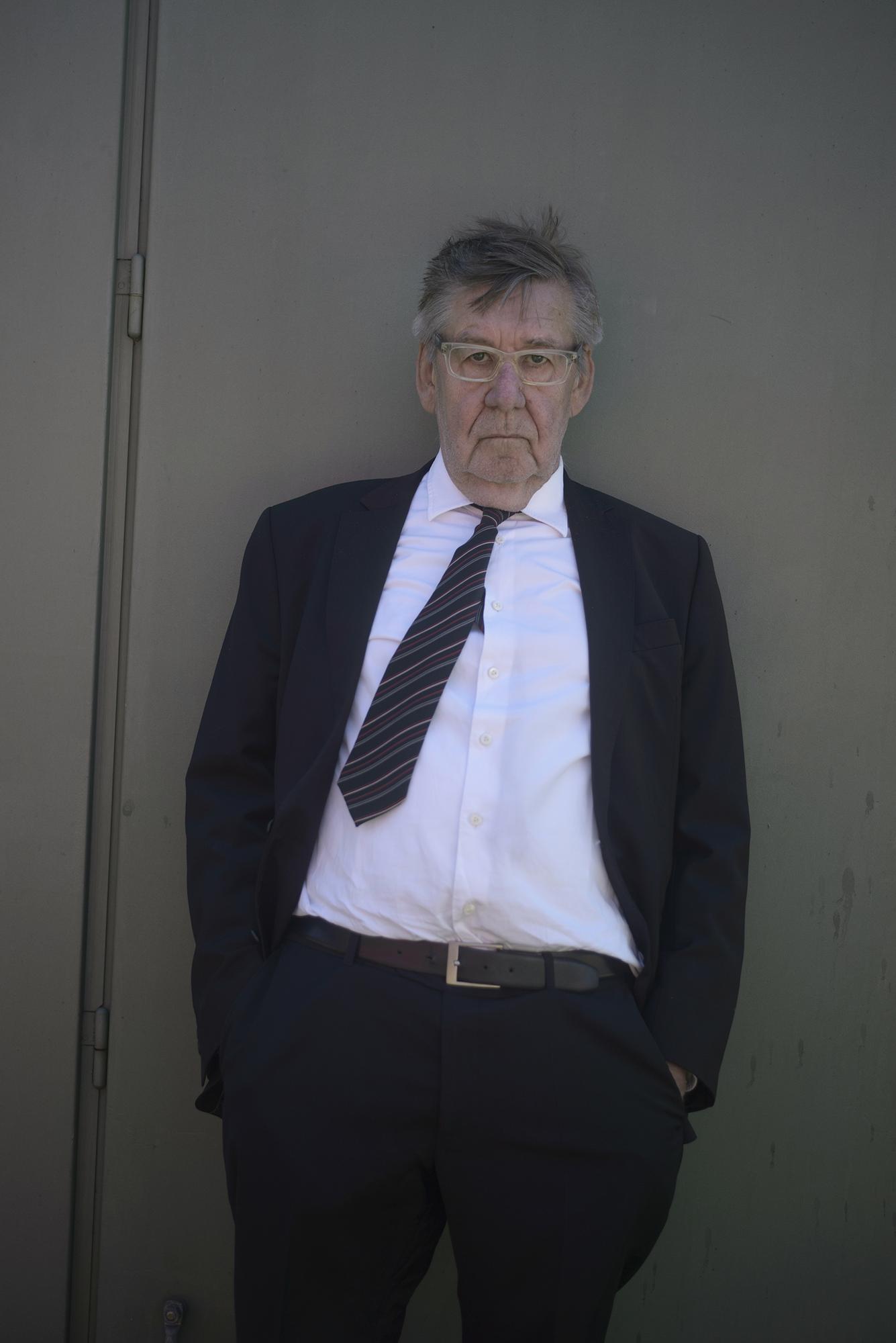
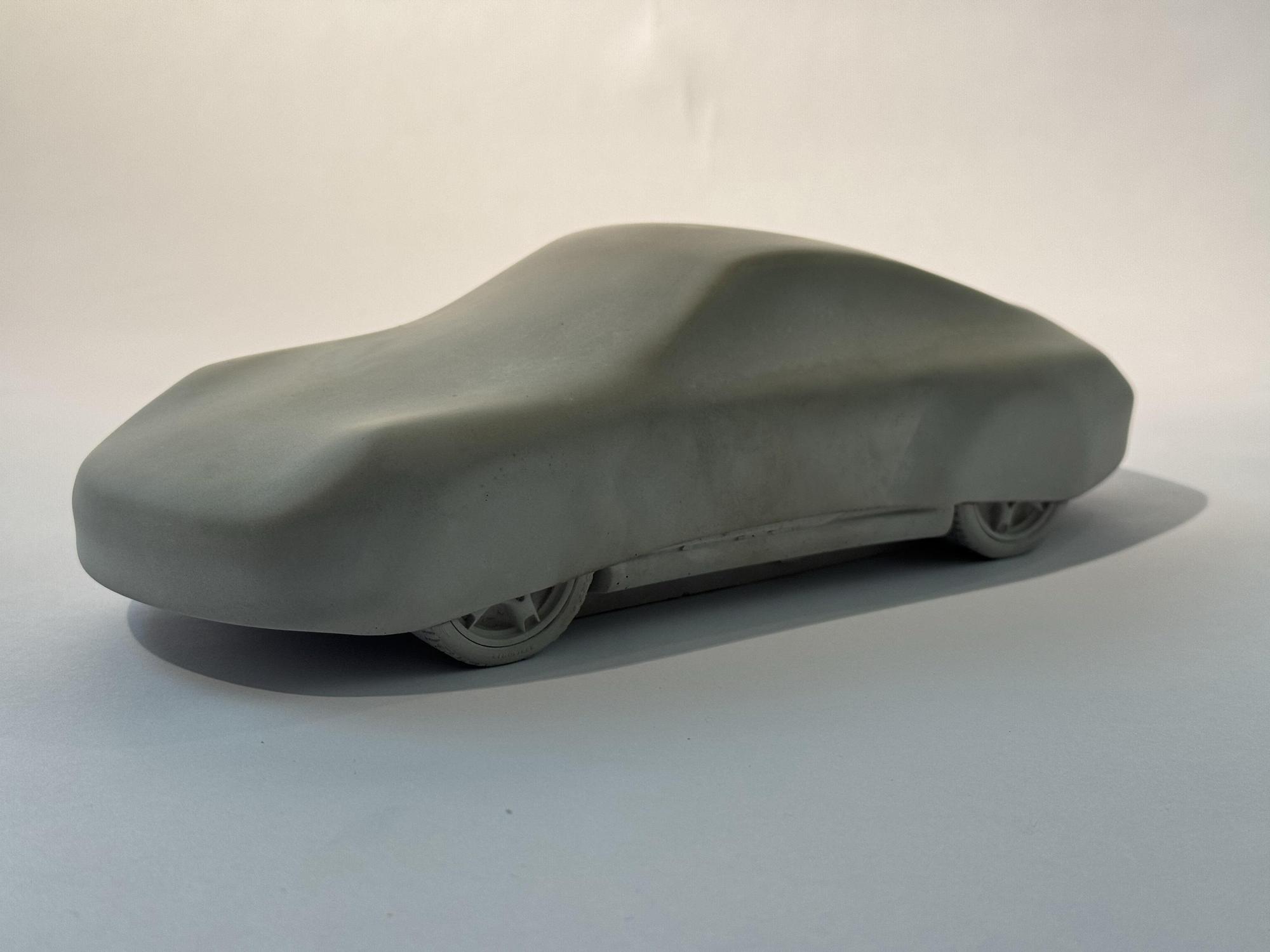
Gottfried Bechtold (*1947) is considered one of the defining figures of Austrian contemporary art. Since the late 1960s, he has developed a rigorously conceptual, cross-media practice encompassing sculpture, photography, drawing, text, and performative interventions in public space. His work is characterized by a precise analysis of social symbols and a sustained inquiry into perception, attribution of value, and the very conditions of artistic production.
Bechtold gained international recognition in particular for his engagement with the automobile as a cultural, economic, and ideological object. Since the 1970s, he has explored the car as a projection surface for beliefs in progress, promises of mobility, notions of status, and ideas of individual freedom.
The Concrete Porsche is among Bechtold’s most iconic works. The sculpture is an exact replica of a Porsche 911, cast in solid concrete. An object that normally stands for speed, elegance, and technical perfection is rendered literally heavy, immobile, and monumental. Concrete—symbolic of permanence, the construction industry, and urban infrastructure—stands in radical contrast to the very idea of a sports car. By stripping the object of its function, Bechtold transforms it into a sculpture that negates mobility while simultaneously exposing and questioning its cultural glorification.
Since April 2026, a Concrete Porsche from the series Elf Elf (2006) pulled into the so-called “Director’s Parking Space” in the Hanuschhof courtyard. Weighing several tons, the sculpture subverts the promises of speed, freedom, and individual accessibility commonly associated with the automobile. Within the specific context of the courtyard, the work also unfolds a subtly ironic commentary on questions of ownership, privilege, and the hierarchical organization of space—particularly with regard to parking spaces as markers of power and status.
Bechtold’s interventions in public space are always defined by their precision of placement. At first glance, the Concrete Porsche appears familiar, yet its physical presence and materiality create a moment of dissonance. This very ambivalence—between recognizability and estrangement—is central to Bechtold’s artistic strategy. His works invite viewers to reread everyday symbols and to question their social meanings.
Complementing the installation, the auditorium will present photographs, films, and serial works that contextualize the Concrete Porsche and illuminate Bechtold’s long-standing engagement with the motif of the automobile, as well as with issues of reproduction, seriality, and documentation. These works make clear that the Concrete Porsche is not to be understood as a singular object, but as part of an artistic field of inquiry developed over decades.
Curated by Verena Kaspar-Eisert and Rolf H. Johannsen.
29 April – 12 October 2026
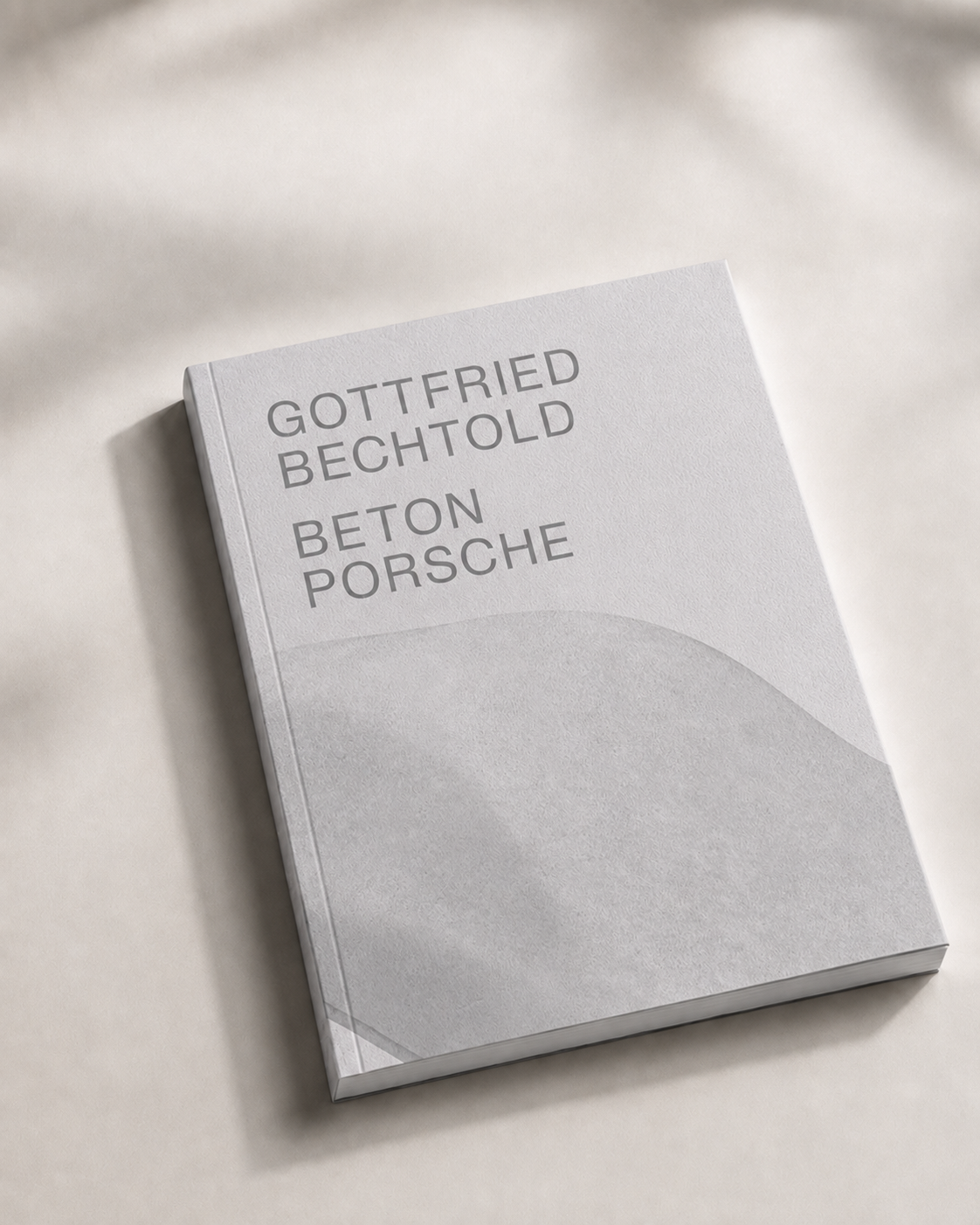
The exhibition catalogue is published by Verlag für moderne Kunst and is available at the museum shop for EUR 17.