


Foto: Ouriel Morgensztern © Heidi Horten Collection
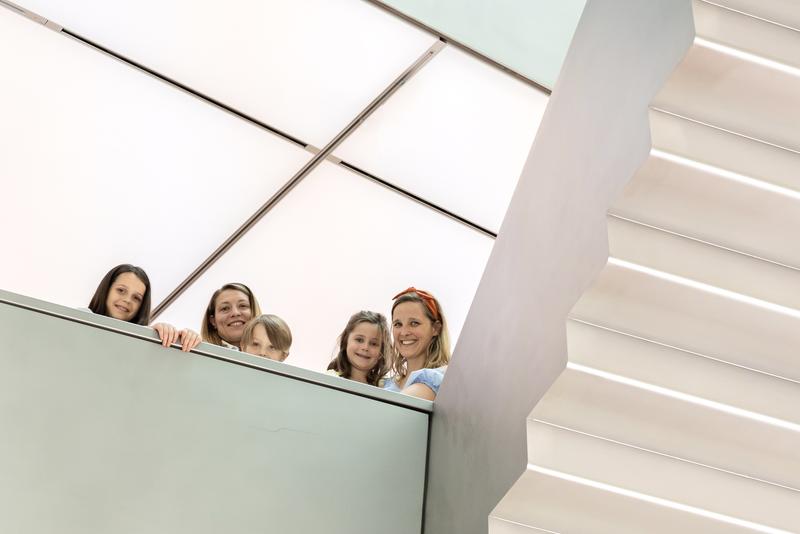
What do you want from a museum? A break from the everyday? New perspectives? Lively debate and a spirit of openness? Or perhaps creativity and play for your little ones? In Vienna’s beating heart, the architecture of the Heidi Horten Collection is already making an impression. To make the museum and its exhibitions an enriching experience for you as visitor, you will find a programme that encourages fun and dialogue, participation and return visits.
We look forward to your visit!
We can't find the internet
Attempting to reconnect
Something went wrong!
Hang in there while we get back on track
Free workshops for nurseries and school classes
Our workshops motivate children and teenagers to actively engage with art, to think creatively, to work as a team. By looking at originals together, curiosity is sparked, knowledge is imparted in a playful way, and confidence is built. Creating space for children’s own ideas and big visions is key.
COST / DURATION
- Visit with workshop: free for children, school pupils and educators.
- 90 minutes.
IT’S EASY TO ORGANISE …
- Workshops should be booked online at least 14 days before your preferred date.
- Don’t forget that you are responsible for supervising your group.
- One accompanying adult per 15 children/students is required.
- Please arrive on time at the museum entrance for your booked time slot. Unfortunately, early admission is not possible due to space limitations.
VISITS WITHOUT WORKSHOPS
- Our workshop program is in high demand and usually fully booked on school days. We kindly ask for your understanding that school visits without a pre-booked workshop are not possible for logistical and safety reasons.
LANGUAGE
- All workshops are in German. Art talks for the upper secondary level can also be booked in English.
NEWSLETTER
Never miss another tour! Our newsletter for educators provides up-to-date information about further training and the latest education programmes.
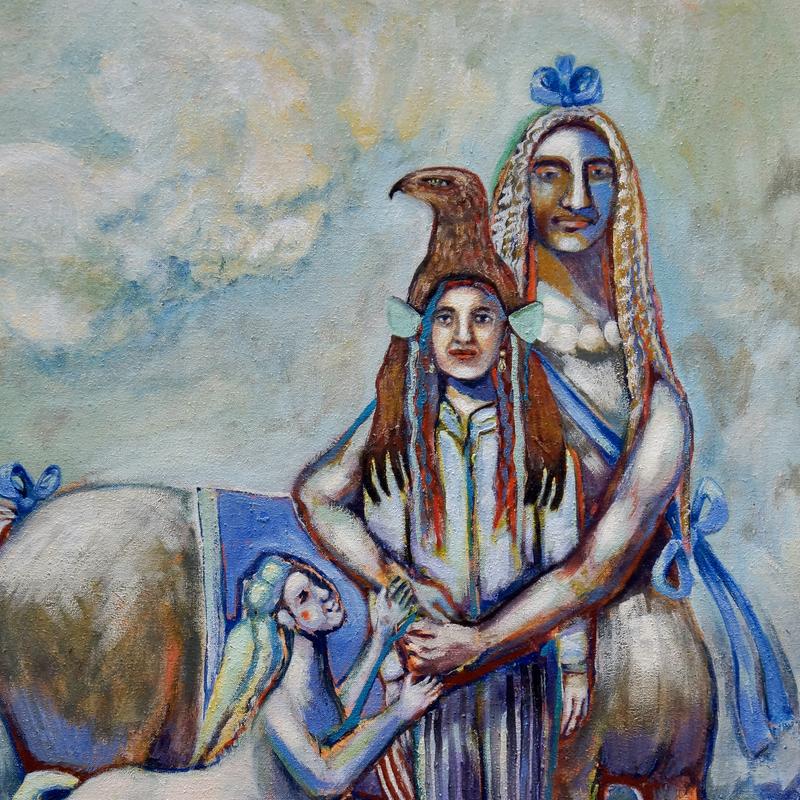
Foto: esel.at
ELISABETH VON SAMSONOW
For preschools, elementary schools, and middle and high schools
Is there an invisible bond that connects people, animals, and plants? In this creative space for exploration centered on art and nature, we encounter “speaking” woods, organic forms, and the primal forces of our planet. What knowledge is stored in centuries-old tree trunks? How do natural materials transform into fascinating sculptures? Why does the modern world often struggle so much to truly listen to the environment? We explore subtle nuances, feel our way through materials, question what we take for granted, and create together. In doing so, we discover that nature is a living counterpart—and that ecological awareness begins precisely where we give its quiet voices room to unfold.
Our age-appropriate workshops accompanying the exhibition offer kindergartens, elementary schools, and middle and high schools a tailored introduction to contemporary art. With plenty of wit, they make the invisible visible. They encourage independent engagement with the exhibition’s central themes, while hands-on activities offer the opportunity to creatively explore what has been seen.
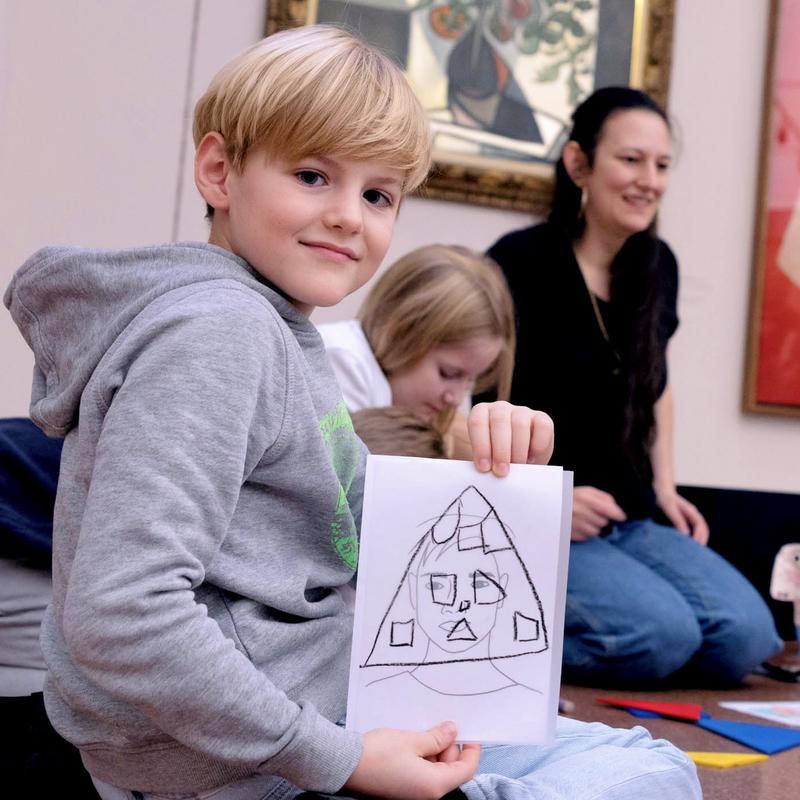
Foto: esel.at
HOW IMAGINATION CAME INTO ART
Klimt ⇄ Warhol for primary schools
Have you ever wondered how imagination found its way into art? Join us on an adventure through the art of the last 100 years, where you’ll discover dancing brushstrokes, wild colors, and crazy ideas. How does Klimt make his paintings tremble? Why do faces and animals suddenly explode with color? What drives an artist to paint the seemingly impossible? Who was Andy Warhol? And what are cut-up pictures doing in a museum?
We’ll playfully dive into the fantastic world of big ideas, surprising art techniques, and world-famous masterpieces through exciting stories and creative experiments.
This workshop builds students’ confidence, sparks their curiosity, and improves their language skills in a positive and interactive atmosphere. Through sensory experiences and hands-on art activities, students are introduced to groundbreaking art movements of the 20th century. Perfect also for German language learners!
INFO
Duty of Supervision
Educators and chaperones are responsible for supervising children and teenagers throughout the entire museum visit.
Number of Chaperones
The number of accompanying adults required to supervise depends on the number of students: Please note that we will divide your school class into small groups of up to 15 students, and one accompanying adult is required per group.
Visits
Our workshops are designed for kindergartens and students from all types of schools. No prior knowledge is required on the part of the children and young people.
Admission
Please note that, due to space limitations, admission to the museum for school groups is generally only possible exactly at the start of the booked time slot.
Professional Development
Get to know our exhibitions and educational programs to ensure optimal preparation. Free participation for prospective and current educators.
Morning Opening
For preschools and school groups with workshops, we open the museum at 8:30 a.m.
Language
All workshops are held in German. Art talks for upper secondary students are also available in English upon request.
Cancellation Policy
Cancellations can be made free of charge in writing at [email protected] up to two business days before the scheduled date. For cancellations made after this deadline or if the group fails to show up for the booked date, a cancellation fee of €100 will be charged.